Sewage Cleanup: Navigating the Global Sanitation Challenge
Introduction
Sewage cleanup, a critical yet often overlooked aspect of urban infrastructure, involves the complex process of managing, treating, and disposing of wastewater effluents from homes, industries, and institutions. This essential service plays a pivotal role in maintaining public health, preserving environmental integrity, and ensuring sustainable development globally. As urbanization continues to soar, the demand for efficient and effective sewage cleanup systems is at an all-time high. This article aims to dissect the multifaceted world of sewage cleanup, exploring its historical evolution, current global impact, economic implications, technological innovations, regulatory frameworks, challenges, and future prospects. By delving into these aspects, we can gain a comprehensive understanding of this vital sanitation process and its profound effects on society and the planet.
Understanding Sewage Cleanup: A Deep Dive
Definition and Core Components:
Sewage cleanup refers to the comprehensive management of wastewater generated from various sources, including residential buildings, commercial establishments, and industrial facilities. It encompasses several interconnected processes:
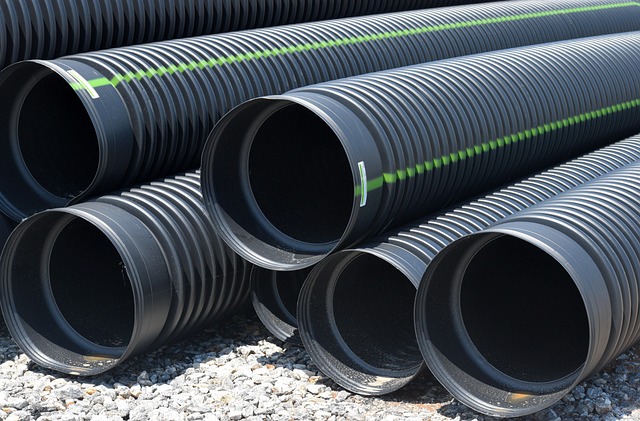
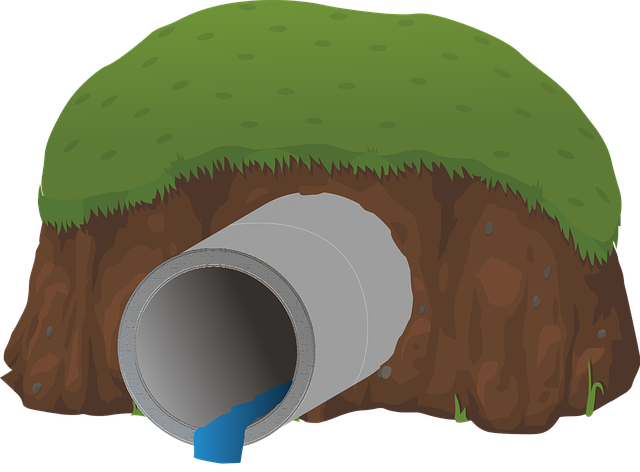
- Collection: This initial step involves the transportation of sewage through a network of pipes, sewers, and pump stations, ensuring efficient flow to treatment plants.
- Treatment: At wastewater treatment plants (WWTPs), sewage undergoes advanced processing to remove contaminants, including physical, chemical, and biological methods. Primary, secondary, and tertiary treatments are employed to meet specific pollution reduction targets.
- Disposal or Reuse: Post-treatment, the processed water can be safely discharged into nearby bodies of water or reused for various purposes like irrigation, industrial processes, and even drinking water (after further treatment).
- Monitoring and Management: Continuous monitoring of water quality, system performance, and regulatory compliance is crucial to ensure the effectiveness of sewage cleanup operations.
Historical Context:
The practice of sewage management has a rich history dating back thousands of years. Ancient civilizations like the Romans and Greeks developed early forms of sewerage systems for sanitation purposes. However, modern sewage cleanup as we know it today began to take shape in the 19th century with the Industrial Revolution. Rapid urbanization led to the emergence of centralized wastewater treatment systems, aiming to control and treat growing volumes of effluents. Over time, technological advancements and increasing environmental awareness have driven improvements in sewage cleanup practices worldwide.
Significance:
Sewage cleanup is a cornerstone of public health and environmental protection:
- Disease Prevention: Properly treated sewage helps prevent the spread of waterborne diseases like cholera, dysentery, hepatitis A, and typhoid, which are often transmitted through contaminated water.
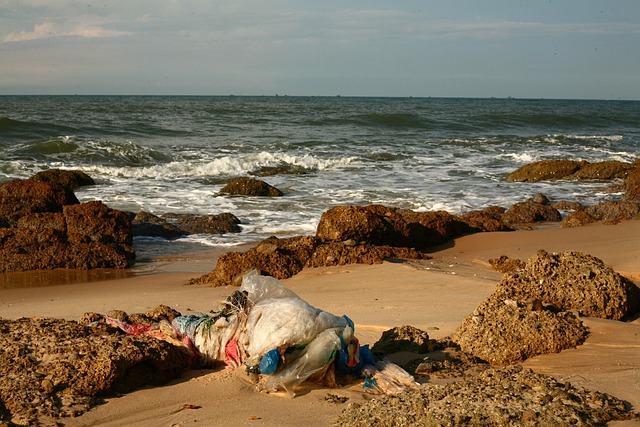
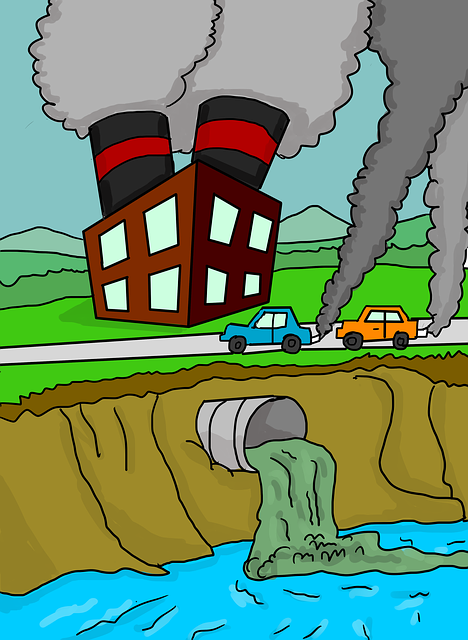
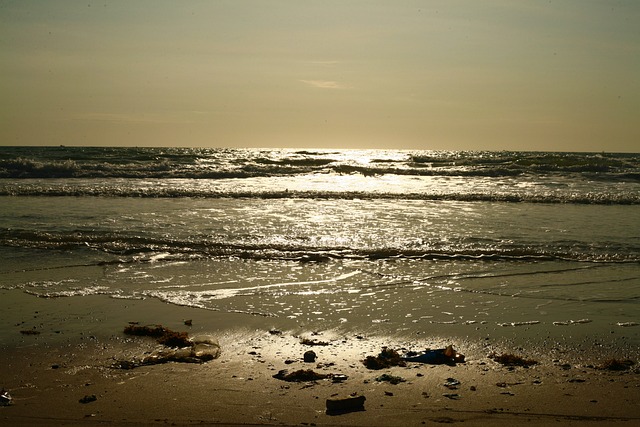
- Environmental Conservation: Unmanaged sewage can lead to severe ecological damage, including water pollution, harm to aquatic life, and degradation of ecosystems. Efficient cleanup ensures the preservation of rivers, lakes, and coastal areas.
- Sustainable Development: It contributes to sustainable urban development by providing a reliable source of treated water for various applications, supporting industry, agriculture, and everyday life.
Global Impact and Trends
International Influence:
Sewage cleanup is a global concern, with countries worldwide adopting diverse strategies to address this challenge:
- Developed Nations: Countries like the United States, Canada, and Western Europe have well-established sewage treatment infrastructure, focusing on advanced technologies and strict environmental regulations.
- Developing Economies: Many Asian and African nations are experiencing rapid urbanization, putting immense pressure on their sewage systems. They often struggle with inadequate infrastructure, limited resources, and poor funding, leading to sanitation crises.
- Emerging Markets: Brazil, India, and some Southeast Asian countries have witnessed significant growth in their sewage cleanup sectors, driven by government initiatives, private investments, and technological innovations.
Regional Disparities and Trends:
| Region |
Challenges |
Opportunities |
Notable Initiatives |
| North America |
Strict environmental standards, aging infrastructure |
Advanced treatment technologies, renewable energy integration |
Comprehensive WWTP upgrades, green infrastructure projects |
| Europe |
Stringent regulatory framework, focus on sustainable practices |
Innovative treatment methods, decentralized systems |
Urban water management strategies, smart city initiatives |
| Asia |
Rapid urbanization, limited resources, poor sanitation |
Growing private sector involvement, technological adoption |
Government-led infrastructure development, public-private partnerships |
| Africa |
Inadequate infrastructure, low funding, political instability |
Community-based sanitation solutions, mobile technologies |
Urban transformation projects, international aid programs |
Impact of Climate Change:
Climate change exacerbates the challenges of sewage cleanup through more frequent and severe weather events. Extreme rainfall can overload sewer systems, while droughts may reduce water levels, impacting treatment processes. Adaption to these changing conditions is crucial for effective sewage management in the future.
Economic Considerations
Market Dynamics:
The global sewage cleanup market is a significant economic sector, with diverse players and business models:
- Public Sector Dominance: Many countries rely heavily on government-owned and operated WWTPs, which account for a substantial portion of the market.
- Private Investments: The rise of public-private partnerships (PPPs) has led to increased private sector involvement in sewage cleanup infrastructure development and operations.
- Technological Service Providers: Companies specializing in advanced treatment technologies, monitoring systems, and digital solutions are gaining prominence.
Investment Patterns:
- Infrastructure Development: Governments worldwide invest heavily in building and upgrading WWTPs, especially in rapidly growing urban areas.
- Technology Upgrades: There is a growing trend to adopt cutting-edge technologies like membrane filtration, advanced oxidation processes, and biological treatment methods for improved efficiency.
- Digitalization: The integration of Internet of Things (IoT) sensors and digital monitoring systems enables real-time data analysis, predictive maintenance, and optimized operations.
Economic Impact:
Sewage cleanup has far-reaching economic implications:
- Job Creation: It provides employment opportunities in construction, engineering, maintenance, and research and development sectors.
- Industry Growth: The sector supports the development of related industries, such as water technology, environmental consulting, and waste management services.
- Cost Savings: Efficient sewage treatment can lead to significant water reuse, reducing reliance on fresh water sources and associated costs.
Technological Advancements
Innovations Shaping Sewage Cleanup:
- Membrane Technology: Advanced membrane filtration systems offer enhanced particle removal and improved effluent quality, enabling higher levels of water reuse.
- Bio-treatment Methods: Innovations like rotating biological contactors (RBCs) and upflow anaerobic sludge beds (UASB) provide more efficient organic matter breakdown and reduced energy consumption.
- Digital Solutions: IoT sensors, data analytics, and machine learning algorithms enable predictive maintenance, optimize treatment processes, and enhance overall system performance.
- UV Disinfection: Ultraviolet (UV) disinfection technology provides a powerful, chemical-free method for killing bacteria and viruses, ensuring safe water discharge.
- Nanotechnology: Nanomaterials offer improved filtration capabilities, enhanced catalyst activity, and advanced sensor technologies for real-time monitoring.
Future Potential:
Emerging technologies like artificial intelligence (AI), blockchain, and 3D printing hold promise for further revolutionizing sewage cleanup:
- AI-driven Optimization: AI algorithms can analyze vast data sets to optimize treatment processes, predict operational issues, and enhance energy efficiency.
- Blockchain for Transparency: Blockchain technology can ensure transparency in water quality monitoring, ensuring accountability and trust in the supply chain.
- 3D-printed Components: 3D printing allows for customized, cost-effective production of treatment plant parts, enabling faster prototyping and implementation.
Policy and Regulation
Key Frameworks Governing Sewage Cleanup:
- Environmental Laws: Many countries have stringent environmental protection acts that regulate the discharge of treated wastewater to protect water bodies. These laws dictate pollution control standards and monitoring requirements.
- Water Quality Standards: Regulatory bodies set minimum water quality criteria, including parameters like pH, temperature, dissolved oxygen, and pollutant levels, to ensure safe water for various uses.
- Wastewater Treatment Regulations: Specific guidelines govern the design, operation, and maintenance of WWTPs, ensuring consistent treatment standards across facilities.
Global Regulatory Landscape:
| Region |
Notable Regulations |
Impact on Industry |
| United States |
Clean Water Act (CWA), National Pollutant Discharge Elimination System (NPDES) |
Strict permits and monitoring, advanced treatment requirements |
| European Union |
European Union (EU) Water Framework Directive (WFD) |
Integrated pollution prevention and control, sustainable water management |
| China |
National Environmental Protection Standards for Urban Sewage Treatment |
Stricter discharge standards, emphasis on technology upgrades |
| India |
Central Pollution Control Board (CPCB) Guidelines |
Treated water reuse promotion, stringent effluent quality norms |
Challenges in Regulation:
Despite robust regulatory frameworks, challenges persist:
- Enforcement and Compliance: Ensuring adherence to regulations, especially in developing countries with limited resources, remains a significant hurdle.
- Rapid Technological Change: Regulatory bodies struggle to keep pace with rapid technological advancements, potentially leading to gaps in compliance standards.
- International Harmonization: Inconsistencies between national regulations can hinder cross-border cooperation and uniform sewage management practices.
Challenges and Criticisms
Main Hurdles in Sewage Cleanup:
- Funding and Infrastructure: Insufficient funding for infrastructure development, especially in low-income regions, hampers the construction and maintenance of WWTPs.
- Technological Adoption: The high cost of advanced treatment technologies can be a barrier to adoption, particularly for smaller municipalities.
- Political Will and Governance: Lack of political commitment and ineffective governance structures may lead to suboptimal sewage management policies and inadequate resource allocation.
- Public Awareness and Participation: Limited public understanding of the importance of proper sanitation contributes to illegal connections, littering, and other issues.
Criticisms and Solutions:
- Environmental Concerns: Critics argue that some treatment methods may generate harmful byproducts or strain local ecosystems. To address this, advanced treatments like biological nutrient removal (BNR) and membrane filtration offer more sustainable alternatives.
- Cost Overruns: Expensive infrastructure projects can lead to budget overruns and financial risks. Implementing modular designs, using locally sourced materials, and adopting PPP models can mitigate these issues.
- Community Engagement: Limited community involvement in decision-making processes may result in opposition to sewage projects. Engaging communities through education, public consultations, and participative planning ensures buy-in and support.
Case Studies: Successful Applications
1. Singapore's Integrated Water Management System:
Singapore has achieved remarkable success with its integrated water management (IWM) approach, which includes advanced sewage treatment and recycling. The country's NEWater plant treats and recycles wastewater to a standard exceeding potable water quality, ensuring water security and environmental sustainability. This innovative system has reduced the nation's reliance on imported water by over 40%.
2. Amsterdam's Floating Sewage Treatment Plant:
The Dutch city of Amsterdam has introduced a unique solution with its floating sewage treatment plant, installed in 2019. Located in the city's harbor, this innovative facility uses natural processes and advanced technology to treat wastewater from nearby residential areas. The plant is designed to be highly efficient, sustainable, and visually appealing, winning numerous awards for its innovative design.
3. Mumbai's Decentralized Sanitation Model:
Mumbai, India, has implemented a decentralized sanitation model in response to its unique urban landscape. This approach involves smaller-scale sewage treatment systems installed within residential buildings or neighborhoods. The model promotes local self-reliance, reduces the strain on central WWTPs, and improves overall sanitation coverage, especially in low-income areas.
Future Prospects
Emerging Trends:
- Smart Cities and Digitalization: Integration of sewage cleanup systems with smart city initiatives will lead to more efficient, data-driven operations. IoT sensors, AI analytics, and digital monitoring will play a pivotal role in optimizing processes and predicting maintenance needs.
- Wastewater-to-Energy (WtE): Converting wastewater into renewable energy through anaerobic digestion or other technologies is gaining traction as a sustainable solution. This approach reduces greenhouse gas emissions and provides an additional revenue stream for treatment plants.
- Advanced Oxidation Processes: Continued research in advanced oxidation technologies will lead to more efficient removal of organic and inorganic pollutants, ensuring higher quality effluents.
Growth Areas:
- Developing Countries' Urbanization: Rapid urbanization in developing nations presents significant opportunities for the growth of sewage cleanup industries. Governments and international organizations are investing heavily in infrastructure development and technology transfer to address this challenge.
- Treated Water Reuse: The reuse of treated wastewater for irrigation, industrial processes, and even drinking water will become more prevalent, ensuring sustainable water utilization.
- Community-based Sanitation: Empowering local communities through community-led sanitation initiatives and micro-financing schemes can improve access to sanitation services in underserved areas.
Strategic Considerations:
- Public-Private Partnerships (PPPs): Governments should encourage PPPs to leverage private sector expertise, capital, and efficiency in sewage cleanup projects.
- Research and Innovation: Continued investment in research and development is crucial for staying ahead of technological advancements and addressing emerging challenges.
- International Collaboration: Global collaboration on policy harmonization, technology sharing, and best practices can accelerate progress in the field of sewage cleanup.
Conclusion
Sewage cleanup is an indispensable component of modern urban infrastructure, vital for public health, environmental protection, and sustainable development. From its historical roots to today's advanced technologies, this field has come a long way. As urbanization continues to shape our world, the demand for efficient and effective sewage management will only grow. By understanding the global impact, economic implications, technological advancements, and challenges, we can navigate the path towards a cleaner, healthier future. The successful case studies showcased here demonstrate that with thoughtful planning, innovative solutions, and collaborative efforts, the world can overcome its sanitation challenges and create a brighter, more sustainable future for all.
FAQ Section
Q: What is the primary purpose of sewage cleanup?
A: Sewage cleanup involves managing and treating wastewater to remove contaminants, ensuring it is safely disposable or reusable. Its primary purpose is to protect public health, preserve environmental quality, and support sustainable development by providing clean water resources.
Q: How does climate change impact sewage cleanup?
A: Climate change poses challenges to sewage cleanup through extreme weather events that can overload systems and changing rainfall patterns that affect water levels. Adaption strategies are essential to ensure the resilience of sewage management infrastructure.
Q: What are some advanced technologies used in modern sewage treatment plants?
A: Modern WWTPs employ various advanced technologies, including membrane filtration, biological nutrient removal (BNR), UV disinfection, and digital monitoring systems equipped with IoT sensors and AI analytics. These innovations enhance treatment efficiency and ensure higher quality effluents.
Q: Why is treated water reuse important?
A: Treated water reuse helps address water scarcity issues, reduces the strain on freshwater sources, and provides a sustainable alternative for various applications, including irrigation and industrial processes.
Q: How can communities contribute to better sewage management?
A: Communities can contribute by participating in public consultations, promoting awareness about proper sanitation practices, adopting water-efficient behaviors, and supporting local sanitation initiatives and micro-financing schemes.