New York City's raw sewer system demands efficient, natural sewage cleanup for emergency resolution, minimizing health risks, and structural damage. Specialized equipment and proactive maintenance, like regular inspections and grease trap installation, prevent blockages. Swift response times reduce environmental impact and promote community resilience. Natural methods, using enzymes and bacteria, enhance safety and sustainability, adhering to local guidelines from entities like the NYC Department of Environmental Protection (DEP). Regular septic tank pumping, eco-friendly cleaners, and understanding sewer district maps are post-cleanout actions for future prevention.
New York City's aging infrastructure presents a significant challenge: efficient sewage cleanup to ensure public health and environmental safety. The rapid flow of raw sewerage through outdated cleanout systems is a growing concern, especially in densely populated areas. This article delves into the intricacies of this urban dilemma and offers a sustainable solution for swift and effective sewage cleanup naturally. We explore innovative techniques that prioritize efficiency, minimizing disruption to city life while addressing this pressing environmental issue head-on.
- Understanding NYC's Raw Sewer System
- When to Initiate a Quick Cleanout
- Safety Precautions for Sewage Cleanup
- Natural Methods for Efficient Removal
- Equipment and Tools for the Task
- Post-Cleanout Maintenance and Prevention
Understanding NYC's Raw Sewer System
New York City's raw sewer system is a complex network designed to manage the city's vast water flow, but understanding its intricacies is crucial for efficient sewage cleanup naturally, especially in emergency situations like disasters. The system consists of thousands of miles of pipes, ranging from historic cast-iron lines to newer PVC and concrete structures. These sewers transport not only wastewater but also raw sewage from homes and businesses, making timely and effective cleanout procedures paramount.
When it comes to quick and efficient raw sewer cleanout, local expertise plays a significant role. For instance, in the event of a disaster that causes massive flooding and sewer backups, Property Restoration of the Capital Region, a renowned disaster recovery service, employs specialized equipment and techniques for swift sewage removal. Their team understands that immediate action is key to preventing further damage to properties and minimizing health risks associated with raw sewage exposure. This involves local sewer line replacement in severely affected areas as well, ensuring the infrastructure can handle future challenges more effectively.
Effective raw sewage removal tips include implementing a proactive maintenance schedule for homes and businesses. Regular inspections and cleanouts can help prevent blockages and reduce the severity of backups. For instance, preventing grease buildup and proper disposal of large items are crucial measures. In cases of severe overflows, contacting professional cleanup services is essential to handle the situation safely and efficiently. Data from recent studies highlights that quick response times can significantly mitigate structural damage and health risks associated with raw sewage, emphasizing the importance of both individual vigilance and readily available local resources like Property Restoration of the Capital Region for effective disaster recovery sewage cleanup.
When to Initiate a Quick Cleanout
In New York City, where dense urban landscapes and aging infrastructure coexist, timely intervention in sewage cleanup is paramount, especially when navigating sudden crises or extensive water damage. The decision to initiate a quick raw sewer cleanout goes beyond mere inconvenience; it's a critical step toward minimizing environmental impact, public health risks, and structural damage. This proactive approach ensures that properties remain safe and habitable, aligning with the city's resilience goals.
The need for swift action arises particularly during disaster recovery scenarios or severe weather events that overwhelm local sewer systems. According to data from the New York City Department of Environmental Protection (DEP), heavy rainfall can lead to significant surges in sewage flow, potentially causing raw sewer backups into homes and businesses. In such cases, contacting the local sewer authority promptly becomes essential for efficient disaster recovery sewage cleanup. The DEP's dedicated teams, equipped with advanced technology, prioritize restoring service and mitigating environmental harm.
Property Restoration of the Capital Region emphasizes that while natural disasters are unpredictable, preparedness is key. Homeowners and property managers should be aware of the signs requiring a quick cleanout: persistent clogs, foul odors, or visible sewage backup. Acting promptly can prevent water damage restoration challenges that may arise from mold growth, structural deterioration, and health risks associated with contaminated water. For instance, a 2019 study by the New York State Department of Health highlighted the importance of swift cleanup in mitigating health risks, particularly for vulnerable populations.
When facing water damage or potential sewage contamination, engaging professional services like Property Restoration of the Capital Region is advisable. Their expertise in disaster recovery, coupled with adherence to local guidelines from entities such as the DEP, ensures a comprehensive and efficient response. Regular maintenance checks and understanding the triggers for quick cleanouts empower residents and property managers to protect their investments, fostering a resilient community ready to face New York City's diverse challenges.
Safety Precautions for Sewage Cleanup
Navigating a raw sewer cleanout in New York City requires meticulous safety precautions to prevent health risks and ensure sustainable sewage management. When addressing these situations, it's crucial to understand that traditional methods of sewage cleanup can leave behind harmful pathogens and contaminants. Therefore, focusing on natural solutions for sewage cleanup is increasingly important. Property Restoration of the Capital Region emphasizes the significance of this approach not only for environmental reasons but also as a key strategy in sewer backup prevention advice.
The first step in any cleanout process should be proper protective gear, including gloves, boots, and masks designed to filter out airborne particles. This is essential, especially when dealing with raw sewage, which can contain bacteria, viruses, and parasites that cause diseases like hepatitis A and E. After donning protection, the next phase involves sewage sampling and testing to identify potential hazards and ensure compliance with local environmental regulations. For instance, New York City's Department of Environmental Protection (DEP) outlines strict guidelines for handling and disposing of wastewater, emphasizing the importance of accurate sampling and testing.
Implementing sustainable sewage management practices goes beyond gear and testing. It involves techniques that minimize disruptions to the environment while effectively clearing blockages. Property Restoration of the Capital Region recommends exploring natural solutions like using enzymes or bacteria-based products to break down organic matter, thereby reducing the need for harsh chemicals. Additionally, focusing on proactive sewer backup prevention advice is vital, including regular maintenance checks and addressing root intrusions that can lead to clogs. By adopting these practices, professionals not only ensure a safer work environment but also contribute to a greener and more sustainable approach to sewage cleanup in NYC's dynamic landscape.
Natural Methods for Efficient Removal

In an urban environment like New York City, efficient and sustainable sewage management is paramount. One emerging approach to address this challenge involves employing natural methods for quick raw sewer cleanout, offering a more eco-friendly alternative to traditional techniques. Property Restoration of the Capital Region, a leading authority in residential sewage monitoring, emphasizes the importance of these innovative strategies in mitigating environmental impact while ensuring effective sewage cleanup naturally.
Natural cleaning agents such as enzymes and bacteria can break down organic matter within sewers, reducing clogging and promoting better flow. For instance, certain bacterial cultures are highly effective at digesting grease, fats, and oils, common culprits in sewer blockages. Additionally, the implementation of sustainable sewage management practices includes regular monitoring and maintenance to prevent leaks and detect issues early on. Advanced leak detection technology plays a crucial role here, allowing for prompt identification and repair, thereby minimizing damage and the potential for raw sewage discharge into water systems.
Beyond these methods, residential properties can adopt proactive measures like installing grease traps and employing eco-friendly cleaning products. These steps not only support natural sewage cleanup but also contribute to overall water conservation efforts. Data from recent studies indicates that such sustainable practices can significantly reduce the environmental footprint of sewage management while maintaining high standards of hygiene and sanitation. Property Restoration of the Capital Region recommends regular inspection and maintenance schedules, as well as staying informed about local regulations and advancements in sewage leak detection technology, to ensure optimal residential sewage monitoring and management.
Equipment and Tools for the Task

When it comes to tackling a quick New York City raw sewer cleanout, the right equipment and tools are paramount. This specialized task requires professionals equipped with state-of-the-art technology designed to handle the unique challenges of urban sewer systems. For instance, high-pressure water jets can cut through stubborn buildup, while advanced camera inspection systems allow for precise identification of clogs or damage within the pipe walls.
Sewage cleanup naturally begins with a thorough understanding of local sewer gas smell troubleshooting. Detecting and mitigating methane releases is crucial to both worker safety and compliance with environmental regulations. Property Restoration of the Capital Region specializes in identifying and resolving these issues, utilizing advanced sensors and ventilation techniques to ensure a safe working environment.
Beyond equipment, timely local sewer line replacement plays a vital role in effective raw sewer cleanout. Residential drain cleaning services should not merely address immediate clogs; they should also proactively assess the overall health of the sewer line to prevent future obstructions. Regular maintenance, including 1-3 times per year depending on usage and age, can significantly extend the lifespan of these critical infrastructure components. By combining cutting-edge technology with proactive care, professionals ensure both efficient cleaning and long-term sustainability.
Post-Cleanout Maintenance and Prevention
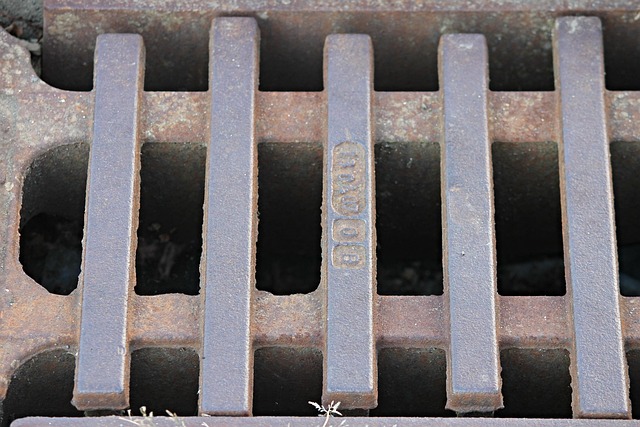
Post-cleanout maintenance and prevention are vital steps in ensuring a swift return to normalcy after a raw sewer cleanout. The initial cleanup is just the first phase; ongoing care is necessary to prevent future clogs and costly damage. One effective strategy is to adopt natural sewage cleanup methods, which not only benefit the environment but also promote long-term sustainability. For instance, using enzyme-based cleaners or biodegradable solutions can help break down stubborn sewer obstructions without causing harm to pipes or local ecosystems.
In New York City, understanding the city's sewer maintenance district map is crucial for property owners and managers. This map outlines the areas served by each sewer district, guiding residents on who to contact for assistance within their specific locality. Regular septic tank pumping schedules should be followed rigorously, typically every 3-5 years, depending on usage. Maintaining these systems prevents backups and ensures optimal performance. Property Restoration of the Capital Region offers expert guidance in developing tailored maintenance plans that cater to individual property needs.
Additionally, scheduling sewage treatment plant tours can provide valuable insights into how local facilities manage wastewater. These educational visits allow residents to witness firsthand the intricate processes involved in treating sewerage, fostering a deeper appreciation for environmental stewardship. By staying informed and proactive, New Yorkers can contribute to a cleaner, more sustainable city. Regular maintenance, combined with eco-friendly practices, creates a harmonious balance between urban living and ecological preservation.
By understanding New York City's raw sewer system and when to perform a quick cleanout, individuals can effectively address sewage cleanup challenges. The article highlights the importance of safety precautions, emphasizing natural methods for efficient removal as a sustainable approach. Key equipment and tools are outlined, along with post-cleanout maintenance tips to prevent future issues. These insights empower readers to tackle sewage cleanup naturally, ensuring both immediate effectiveness and long-term system integrity.