





Regular drain maintenance and adopting natural sewage cleanup methods prevent clogs, backups, and costly repairs. Proper disposal of grease and chemicals is crucial. Understanding sewage treatment processes helps identify issues. Local services offer 24/7 support with eco-friendly techniques like enzyme-based cleaning. Prompt action on sewer gas, water damage, or dampness minimizes damage. Natural remedies (e.g., baking soda, vinegar) and regular maintenance, including tank pumping and drain inspections, are key to long-term prevention.
In every home and business, reliable drain cleaning is a fundamental aspect of maintaining hygiene and health. Clogged drains can lead to severe issues, from unsanitary living conditions to costly damage caused by stagnant sewage water. This natural tendency of pipes to accumulate debris necessitates efficient, regular cleaning. However, many commercial options rely on harsh chemicals that not only pose environmental risks but may also leave behind harmful residues. Herein lies the significance of exploring eco-friendly, 24/7 drain cleaning solutions that prioritize both effective sewage cleanup naturally and sustainable practices for a healthier, safer living environment.
- Understanding the Need for Continuous Drain Maintenance
- The Benefits of Eco-Friendly, Natural Sewage Cleanup
- Step-by-Step Guide to Effective 24/7 Drain Cleaning
- Best Practices and Prevention Tips for Future Clogs
Understanding the Need for Continuous Drain Maintenance
The need for continuous drain maintenance is often overlooked until an emergency arises, such as a severe clog or a raw sewage backup. While immediate solutions like chemical cleaners or mechanical snaking can offer temporary relief, they don’t address the root causes of drain problems. Regular, proactive maintenance is crucial to prevent costly repairs and ensure optimal drainage systems. This includes not just clearing blockages but also inspecting pipes for wear and tear, tree root intrusions, and signs of corrosion.
Sewage treatment processes play a vital role in maintaining clean water resources. The average household contributes to the local sewer system, which involves complex treatment facilities to purify waste before it’s released back into the environment. However, improper disposal of grease, chemicals, and non-biodegradable materials can overwhelm these systems. This is where local 24/7 drain cleaning services come in—they not only resolve clogs but also educate property owners on responsible sewer care. For instance, a study by the Environmental Protection Agency (EPA) found that over 50% of household clogs are caused by grease disposal and improper waste disposal practices.
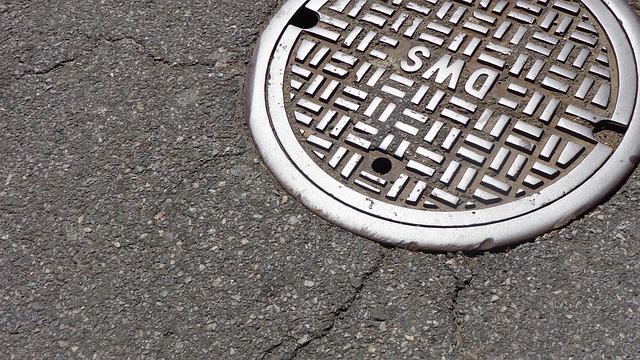
To support efficient sewage cleanup naturally, local sewer authorities often offer programs like cap replacement initiatives. These programs aim to prevent sewer overflows by replacing old or damaged manhole caps with new models designed to keep out debris. For example, the local sewer authority contact in your area might provide a sewer cap replacement program that includes regular inspections and quick turnarounds for replacements. Property Restoration of the Capital Region, as an industry expert, emphasizes the importance of such initiatives, stating that proactive measures like these can save communities significant costs associated with sewage treatment and cleanup.
Moreover, understanding the sewage treatment process explained by professionals is key to preventing future issues. This involves knowledge about various treatment stages, including primary, secondary, and tertiary treatments, each designed to remove different types of pollutants. By partnering with local experts who specialize in 24/7 drain cleaning, homeowners can ensure their drains are not only cleared but also maintained in a manner that supports the overall health of the local sewage treatment process.
The Benefits of Eco-Friendly, Natural Sewage Cleanup

In today’s world, where environmental concerns are at the forefront of public discourse, it’s crucial to consider the impact of traditional sewage cleanup methods on our precious ecosystems. The immediate response to a raw sewage spill, often required during emergency plumbing repairs near me, doesn’t have to involve toxic chemicals that can further pollute already stressed water sources. Herein lies the significance of adopting eco-friendly, natural sewage cleanup techniques as a sustainable alternative.
Property Restoration of the Capital Region, a leading service provider in this domain, emphasizes the benefits of opting for natural sewage cleanup solutions. By utilizing specialized enzymes and bacteria designed to break down organic matter, their team effectively addresses emergency plumbing repair situations without leaving behind harmful residues. For instance, these biological agents can rapidly decompose complex compounds found in raw sewage, minimizing environmental damage and ensuring water bodies are safely restored.
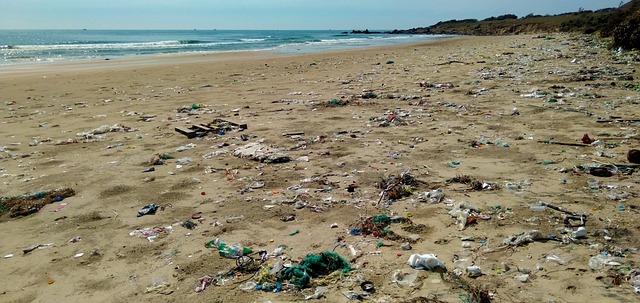
Traditional chemical-based methods, while quick in the short term, often lead to further ecological imbalances. The overuse of harsh chemicals can kill beneficial aquatic organisms and disrupt entire ecosystems, creating a cascade effect on local biodiversity. In contrast, natural sewage cleanup services offer a holistic approach, not only mitigating immediate pollution but also promoting long-term environmental health. This method is especially valuable in areas prone to frequent overflows or backup incidents, where proactive, eco-conscious solutions can significantly reduce the overall ecological footprint.
Step-by-Step Guide to Effective 24/7 Drain Cleaning
Maintaining clean drains is essential for any property owner, but what happens when a persistent sewage problem arises? The key to effective 24/7 drain cleaning lies in a systematic approach that combines natural solutions with advanced technology. Start by identifying the source of the issue; a strong sewer gas smell could indicate a leak, while visible water damage or dampness suggest an ongoing leak beneath the surface.
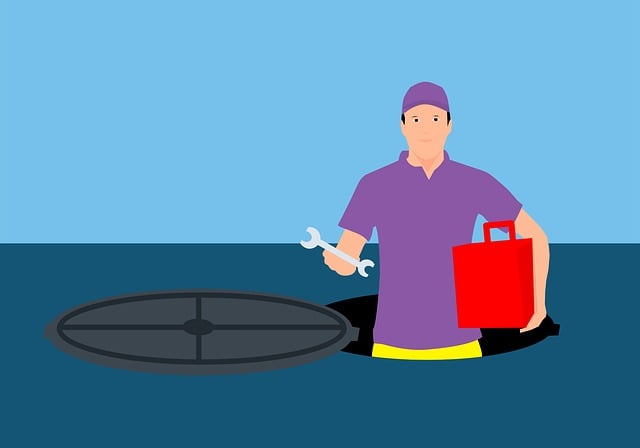
The first step is disaster recovery sewage cleanup—a critical process that requires professional expertise. Property Restoration of the Capital Region offers specialized services, utilizing advanced detection technology to pinpoint the location and extent of the problem. Once located, smaller leaks can often be repaired using natural methods, such as pouring a mixture of baking soda and vinegar down the drain to break up built-up grease and debris. For more severe cases, hydrojetting is an effective technique that uses high-pressure water to clear clogs and remove hard-to-reach buildup.
Sewage leak detection technology plays a vital role in minimizing damage and health risks. Modern sensors can identify even the slightest changes in gas levels or moisture, allowing for swift action. Regular maintenance checks, including inspection cameras to visualize pipe conditions, help prevent major disasters. Remember, prompt response is crucial; early intervention can prevent extensive water damage and costly repairs, especially in older buildings where sewer gas smell troubleshooting might reveal hidden issues. Effective 24/7 drain cleaning combines natural remedies with cutting-edge technology for comprehensive, long-lasting solutions.
Best Practices and Prevention Tips for Future Clogs

Preventing future drain clogs is a proactive approach to maintaining a smooth-running home and avoiding costly sewer gas smell troubleshooting. Regular maintenance can significantly reduce the likelihood of blockages, minimizing the risk of an emergency home flood cleanup. One effective strategy involves embracing natural sewage cleanup methods, which not only benefit your plumbing system but also contribute to a greener environment. For instance, utilizing baking soda and vinegar mixtures as natural drain cleaners is a popular and eco-friendly alternative to commercial products. By pouring half a cup of baking soda down the drain followed by a cup of white vinegar, you create a chemical reaction that helps dissolve hair, grease, and other common clogging agents.
In addition to natural cleaning solutions, establishing a consistent septic tank pumping schedule is paramount. It’s recommended to have your tank pumped every 1-3 years, depending on usage and size. Regular pumping prevents solid waste buildup, which can lead to clogs and damage the septic system. Home flood cleanup specialists in the Capital Region of the US often emphasize this preventive measure as a key strategy for avoiding costly repairs and maintaining a healthy plumbing infrastructure.
Another best practice involves inspecting and clearing drains regularly. This proactive approach allows for the early detection of potential issues before they escalate into major clogs or sewer line damage. Using tools like plungers and drain snakers, homeowners can clear minor blockages without calling in professional help. Moreover, preventing foreign objects from entering drains—such as food scraps, grease, or non-biodegradable materials—is crucial to maintaining a healthy plumbing system. By combining these practices with natural cleaning methods and regular maintenance, you empower yourself to navigate drain maintenance effectively, minimizing the risk of costly sewer-related issues.
By understanding the pressing need for continuous drain maintenance, readers now recognize the potential hazards of neglected drainage systems. The article highlights the significant advantages of eco-friendly, natural sewage cleanup methods as a sustainable and safe alternative to conventional practices. Through the detailed step-by-step guide, homeowners and professionals alike can effectively tackle 24/7 drain cleaning challenges. Moreover, best practices and prevention tips offer valuable insights to minimize future clogs, ensuring longer-lasting drainage systems. Armed with this knowledge, readers are equipped to make informed decisions, adopt natural sewage cleanup methods, and implement preventive measures, ultimately fostering a cleaner, more sustainable environment.