







In the realm of emergency restoration, same-day sewer backup is a pressing issue that demands swift and effective solutions. Homeowners and businesses alike face the daunting task of navigating the aftermath of a sewage inundation, where water and potentially harmful pathogens can wreak havoc. Traditional cleanup methods often rely on aggressive chemicals, but we believe in a more natural approach to sewage cleanup. By harnessing the power of advanced enzymatic treatments and eco-friendly technologies, we offer a comprehensive solution that not only restores affected areas but also ensures a healthier, more sustainable environment. In this article, we delve into the intricacies of same-day sewer backup restoration, providing valuable insights and expert guidance.
- Immediate Actions After a Sewer Backup
- Natural Sewage Cleanup Techniques
- Restoring Your Home Post-Sewage Incident
Immediate Actions After a Sewer Backup
After a sewer backup, immediate actions are crucial to mitigate damage and ensure safe, effective sewage cleanup naturally. The first step is to prevent further contamination by shutting off water supply to affected areas. Next, evacuate the premises temporarily to avoid health risks associated with raw sewage spill response. Document any damage for insurance claims, and contact professionals like Property Restoration of the Capital Region for expert sewer backup restoration in Denver.
For green sewage disposal methods, consider natural filtration systems that use bacteria and plants to break down contaminants. These eco-friendly practices not only reduce environmental impact but also offer a sustainable solution for future incidents. For instance, some communities are employing bioswales and wetlands to manage stormwater runoff, which can significantly decrease the risk of sewer backups by allowing water to soak into the ground naturally rather than overwhelming the system.
In severe cases where large-scale raw sewage spills occur, local authorities and utility companies must coordinate a swift response. Effective containment and cleanup strategies are essential to minimize health hazards and protect local ecosystems. Professional restoration services are adept at handling such situations, employing specialized equipment and knowledge of green sewage disposal methods to restore affected areas safely and efficiently.
Data from recent studies shows that prompt action within the first 48 hours can significantly reduce property damage and repair costs associated with sewer backups. Property owners should be aware of common causes like root intrusions, pipe corrosion, and heavy rainfall, taking proactive measures such as regular maintenance checks and installing advanced sewer backup prevention systems to avoid future disruptions.
Natural Sewage Cleanup Techniques
When facing a same-day sewer backup, opting for natural sewage cleanup techniques can be an effective and eco-friendly approach. These methods prioritize using environmentally safe solutions to mitigate damage and restore affected areas without relying heavily on chemical-based products. One of the primary steps involves containing the spillage and extracting the sewage water through specialized equipment. Once the liquid is removed, natural cleanup techniques such as bio-enzymatic cleaners can be employed to break down organic matter left behind, ensuring a thorough desorption process.
For instance, property owners in areas prone to sewer backups can benefit from regular maintenance like installing backflow prevention devices and keeping trees and plants away from sewer lines. These proactive measures significantly reduce the risk of blockages and subsequent damage. Moreover, understanding local sewage discharge permit requirements is essential. Homeowners should consult with reputable local plumbing contractors who are well-versed in these regulations to ensure compliance during cleanup and restoration processes.
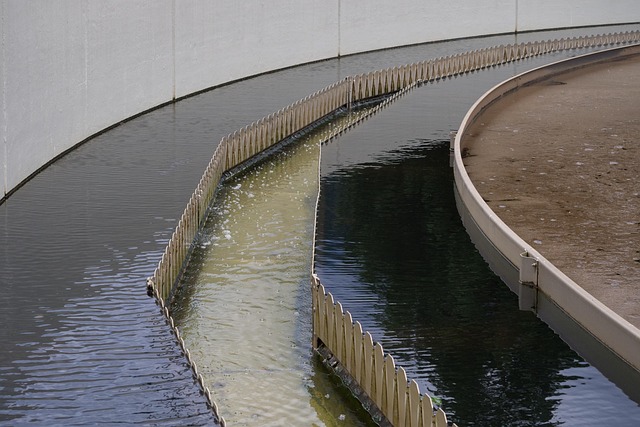
In some cases, especially after severe floods or large-scale sewer backups, professional services specializing in property restoration, like Property Restoration of the Capital Region, offer specialized tours of sewage treatment plants. These educational experiences provide valuable insights into the intricate processes involved in treating contaminated water. By combining these tours with natural cleanup techniques and adherence to permit requirements, communities can effectively navigate post-backup scenarios while minimizing environmental impact.
Restoring Your Home Post-Sewage Incident
After a sewage backup, restoring your home involves a careful, systematic approach to mitigate damage and prevent health risks. The first step is to address the immediate concern: stopping the flow of raw sewage. This may involve shutting off water supplies and containing the spill with absorbents or specialized equipment. Once the spill is contained, a thorough sewage cleanup naturally becomes paramount. It’s crucial to engage professionals who can assess the extent of the damage and employ appropriate methods, such as high-pressure washing and advanced deodorization, to remove all traces of contamination.
A comprehensive sewage system inspection report is essential to understanding the root cause of the backup and ensuring the system is safe to use again. This report will detail any issues with pipes, connections, or fixtures, guiding the restoration process. The cleanup process itself involves more than just sanitizing; it includes a deep understanding of the sewage treatment process. Experts will employ techniques to neutralize harmful bacteria and viruses, safe for both your home and the environment. Property Restoration of the Capital Region, for instance, specializes in these delicate situations, utilizing advanced techniques to restore homes quickly and effectively, minimizing disruption and stress for affected homeowners.
Beyond the technical aspects, proper documentation and communication are key. Keep detailed records of the incident, the cleanup process, and any repairs made. This not only aids in insurance claims but also serves as a reminder of the steps taken to ensure your home’s safety. Remember, a rapid response and professional guidance are vital to minimizing damage and restoring your space to its pre-incident condition.
After exploring immediate actions, natural sewage cleanup techniques, and post-incident home restoration, it’s clear that swift and effective response is key to mitigating damage and ensuring a safe environment. The article underscores the importance of acting promptly upon detecting a sewer backup, leveraging natural methods for sewage cleanup, and following thorough cleaning and restoration practices to restore homes and prevent long-term issues. By adopting these strategies, homeowners can not only effectively address immediate concerns but also cultivate a more sustainable and resilient living space. This comprehensive guide serves as an authoritative resource, empowering folks to navigate sewage incidents with confidence and expertise.
Immediate Actions After Sewer Backup:
– Shut off water supply to affected areas.
– Evacuate temporarily to avoid health risks.
– Document damage for insurance claims.
– Contact professionals like Property Restoration of the Capital Region for expert restoration.
Green Sewer Disposal Methods:
– Employ natural filtration systems using bacteria and plants to break down contaminants.
– Implement bioswales and wetlands to manage stormwater runoff, reducing sewer backup risk.
Severe Cases & Coordination:
– Local authorities and utility companies must swiftly respond to large spills.
– Professional restoration services use specialized equipment and green methods for safe, efficient cleanup.
Prompt Action Benefits:
– Quick response within 48 hours reduces property damage and repair costs.
– Regular maintenance checks and advanced backup prevention systems prevent future disruptions.