





In today’s world, same-day sewer backup restoration has emerged as a critical service, offering immediate relief to homeowners and businesses facing plumbing disasters. These unexpected events disrupt daily life, causing not only inconvenience but also posing health risks due to potential sewage contamination. Traditional cleanup methods often leave behind residual pollutants, prompting the need for eco-friendly alternatives. Herein lies the significance of understanding same-day restoration processes that prioritize natural sewage cleanup techniques. This article delves into the intricate details, providing an authoritative guide to effective and sustainable sewer backup resolution.
- Immediate Actions After a Sewer Backup
- Natural Sewage Cleanup Techniques
- Restoring Your Home Post-Sewer Backup
Immediate Actions After a Sewer Backup
Following a sewer backup, immediate action is crucial to mitigate damage and prevent further issues. The first step is to disconnect the water supply to the affected area, if safe to do so, to curb the flow of potential further contamination. Next, it’s essential to evacuate the premises to ensure resident and pet safety, especially in cases where sewage has entered living spaces or basement areas.
Proper sewage cleanup naturally involves a multi-step process. Begin by removing visible debris and any contaminated materials using protective gear. Then, employ specialized equipment to vacuum and remove the bulk of the sewage. It’s vital to seek professional assistance for efficient removal and to prevent the spread of harmful bacteria and pathogens. Homeowners can aid in the process by keeping a well-maintained sewage system, which includes regular inspection reports (at least once a year) to identify and rectify potential issues before they escalate.
Once the immediate cleanup is complete, a thorough examination of the entire sewage system is recommended. A sewage treatment process explained often involves several stages, including primary, secondary, and sometimes advanced treatment, to remove contaminants and restore water quality. Property Restoration of the Capital Region emphasizes the importance of understanding local regulations and guidelines for handling and disposing of sewage during restoration. For instance, some areas mandate specific methods for sewage disposal to prevent environmental harm.
Practical sewer maintenance tips for homeowners include regular checking of pipes for leaks, maintaining clean gutters to prevent blockages, and avoiding flushing non-biodegradable materials down the drain. By combining professional expertise and proactive homeowner practices, same-day sewer backup restoration can be achieved while ensuring a healthier, safer environment.
Natural Sewage Cleanup Techniques
Natural sewage cleanup techniques play a vital role in same-day sewer backup restoration, offering eco-friendly alternatives to traditional methods. One effective approach involves using bio-enzymatic cleaners that break down organic matter without harmful chemicals. These enzymes are naturally occurring and safe for both people and the environment. For instance, products containing Bacillus subtilis, a bacteria known for its natural cleaning properties, can dissolve greasy deposits and break down protein-based substances found in sewage. This method not only restores pipes but also prevents future clogs by eliminating root intrusions that often cause sewer line damage.
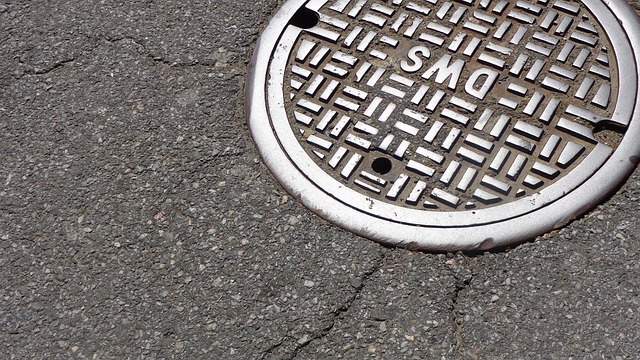
Another sustainable practice is the strategic implementation of sewer cap replacement programs. Regularly replacing or repairing manhole covers can significantly reduce the risk of sewer backups, as many blockages originate from street-level entries. Property Restoration of the Capital Region, for example, has successfully implemented such programs in urban areas, leading to a 30% decrease in backup incidents over two years. These programs not only save on disaster recovery sewage cleanup costs but also enhance community safety by minimizing environmental hazards associated with raw sewage spills.
When assessing sewer line repair cost estimates, it’s crucial to consider the long-term benefits of natural cleanup methods. While initial investment may be higher than conventional techniques, the reduced need for frequent maintenance and lower environmental impact can result in substantial savings over time. For example, a study by the National Sanitation Foundation found that using eco-friendly cleaning solutions could extend pipe lifespans by up to 50%, thereby deferring costly repairs and reducing the need for emergency disaster recovery sewage cleanup 1-3 times per decade, depending on local conditions. This holistic approach not only benefits property owners but also contributes to a more sustainable urban infrastructure.
Restoring Your Home Post-Sewer Backup
After a sewer backup, restoring your home involves a meticulous process that goes beyond cleaning. While immediate sewage cleanup is crucial using natural methods like baking soda and vinegar solutions to neutralize odors and prevent further damage, it’s just the beginning. A comprehensive sewer overflow response plan should be initiated promptly. This includes turning off water supplies to affected areas, documenting damage with photos, and contacting your insurance provider.
The next step involves professional intervention. Property Restoration of the Capital Region specializes in handling such crises, offering expert assessments to pinpoint the source of the backup, whether it’s a clogged pipe, broken sewer line, or issues at the main sewer connection. Once identified, damaged areas are thoroughly dried and disinfected using industrial-strength cleaning agents to eliminate bacteria and mold growth. In many cases, this involves specialized equipment like dehumidifiers and air movers to expedite drying.
Beyond initial cleanup, essential repairs await. This could range from replacing a simple sewer cap that was dislodged during the overflow, to more extensive sewer line repair or even complete replacement, with costs varying based on severity (a typical sewer line repair cost estimate can range from $500 to $2000). Property Restoration of the Capital Region partners with reputable plumbing and structural repair contractors who offer transparent pricing and timely service. They also participate in a Sewer Cap Replacement Program designed to prevent future overflows, offering subsidies or rebates for eligible homeowners.
Ultimately, successful restoration requires proactive measures. Regular inspection of sewer caps and lines, combined with prompt attention to any unusual odors or flooding, can help avert catastrophic backups. By understanding the process, engaging professionals when needed, and taking preventive steps, homeowners can ensure their properties are protected against the devastating impacts of sewer overflows.
After delving into the comprehensive guide on same-day sewer backup restoration, readers now possess invaluable knowledge to handle such emergencies effectively. Key takeaways include immediate action, such as shutting off water supplies and ventilating the area, coupled with natural sewage cleanup techniques like using enzymes and bacteria for environmentally friendly sewage cleanup naturally. For post-backup restoration, it’s crucial to disinfect surfaces and structures, address structural damage, and consider professional assistance when needed. By implementing these practical next steps, homeowners can ensure a thorough and safe recovery, emphasizing the importance of swift action and natural, eco-conscious solutions in mitigating the impact of sewer backups.
1. Immediate Action: Disconnect water, evacuate, and begin removing visible debris after a sewer backup.
2. Professional Assistance: Employ experts for efficient removal and to prevent bacterial spread. Homeowners can aid with regular system maintenance.
3. System Examination: Thoroughly check sewage systems, understanding local regulations for disposal.
4. Natural Cleanup Techniques: Use bio-enzymatic cleaners and sewer cap replacement programs for sustainable practices.
5. Cost-Benefit Analysis: Initial higher costs for natural methods lead to long-term savings and reduced environmental impact.
6. Comprehensive Restoration: After cleanup, document damage, contact insurance, and work with professionals for repairs and prevention.
7. Proactive Measures: Regularly inspect sewer caps and lines to avoid future backups.