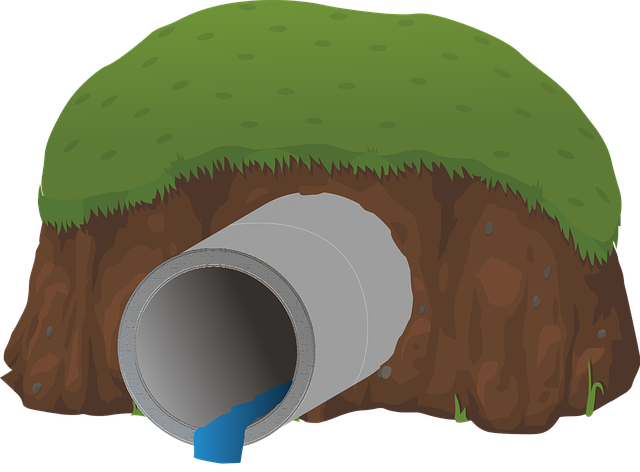
New York City's sewer system requires a balanced approach to maintenance, combining traditional methods with natural solutions like green infrastructure for stormwater management and sewage cleanup naturally. Key challenges include aging infrastructure (over 50% over 100 years old) and tree root infiltration. Regular inspections by specialists like Property Restoration of the Capital Region prevent blockages and extend network lifespan through eco-friendly techniques, reducing environmental impact. Natural sewage cleanup methods, such as anaerobic bacteria breakdown and venting/aerating, are effective but face challenges from weather, building structures, and pipeline damage. Selecting qualified contractors with experience in natural cleanup and comprehensive maintenance programs is vital for sustainable results. Regular maintenance, including annual inspections and proper waste disposal practices, prevents 40% of sewer line failures. This holistic approach ensures a resilient, environmentally sound sewer system.
The urban landscape of New York City presents unique challenges when it comes to maintaining efficient and safe sewer systems. With a vast network of aging infrastructure, the constant threat of clogs, leaks, and overwhelming sewage demands expert attention. The importance of swift and effective sewer line repair is undeniable, especially in preventing widespread disruptions and environmental harm. This article delves into the intricate world of New York City sewer line repair, offering insights into the complexities and highlighting the expertise required for efficient, eco-conscious solutions, including natural sewage cleanup methods where applicable.
- Understanding New York City's Sewer System
- Common Causes of Sewer Line Damage
- Advanced Repair Techniques: Expert Insights
- The Role of Sewage Cleanup Naturally
- Choosing the Right Contractor for Repairs
- Preventative Measures: Long-Term Solutions
Understanding New York City's Sewer System
New York City's sewer system is a complex network of tunnels and pipes stretching beneath the bustling metropolis. Understanding this intricate infrastructure is key to effective sewer line repair and maintenance. The city's sewers serve multiple purposes, primarily facilitating the removal of stormwater and wastewater from millions of residents and businesses. This massive task involves a delicate balance between traditional and innovative methods, especially when addressing issues like local sewer line replacement and green sewage disposal.
One notable aspect is the growing emphasis on natural solutions for sewage cleanup. City initiatives promote sustainable practices such as green infrastructure, which includes rain gardens and permeable surfaces, reducing the strain on the sewer system during heavy rainfall events. This not only minimizes flooding but also supports local water quality by allowing stormwater to naturally infiltrate and filter through vegetation. For instance, Brooklyn's Green-Wood Cemetery has implemented bio-swales, a type of green infrastructure that effectively manages stormwater while providing habitats for local wildlife.
Commercial sewer maintenance plays a critical role in preserving the integrity of this underground network. Regular inspections and timely repairs are essential to prevent blockages and ensure the efficient flow of wastewater. Property Restoration of the Capital Region, a leading expert in the field, emphasizes the importance of proactive measures. They recommend scheduling professional assessments every 6-12 months for commercial properties to identify potential issues before they escalate. This proactive approach, coupled with innovative green sewage disposal methods, can significantly extend the lifespan of New York City's sewer system while promoting environmental sustainability.
Common Causes of Sewer Line Damage
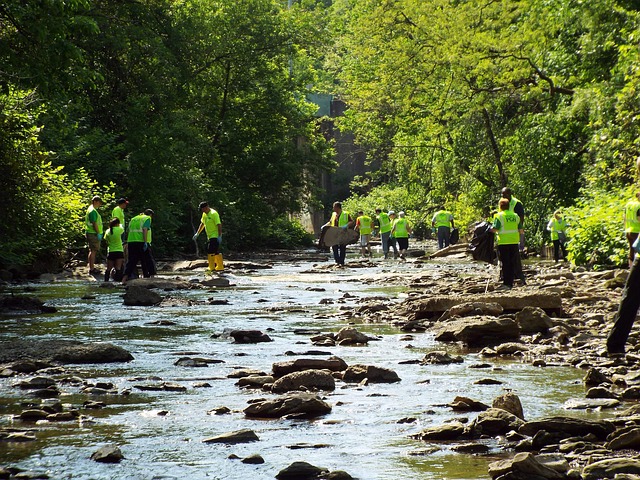
Sewer line damage is a common concern for homeowners in New York City, leading to costly repairs and disruptions. Understanding the primary causes of such damage is crucial for proactive maintenance. One of the main culprits is tree root infiltration, where roots from nearby trees grow into sewer pipes, causing blockages or even breaking them over time. This natural phenomenon can be mitigated by regular inspection and implementing green sewage disposal methods, such as using bio-friendly chemicals to deter root growth.
Another significant factor contributing to sewer line damage is the aging infrastructure. Older pipes, often made of materials like lead or asbestos cement, become more susceptible to corrosion, cracks, and breaks over the years. The city's dense urban landscape makes replacement challenging and expensive. According to recent statistics, over 50% of New York City's sewers are more than 100 years old, making them vulnerable to sudden failures that can lead to significant home floods.
Sewage system inspection reports play a vital role in identifying potential issues before they escalate. Homeowners should engage the services of flood cleanup specialists who can perform these inspections and provide expert advice tailored to their properties. For instance, Property Restoration of the Capital Region offers comprehensive sewer line assessments, utilizing advanced technology for accurate detection of damage or anomalies. By addressing sewer line problems early, homeowners can avoid not only costly repairs but also minimize environmental impact by opting for eco-friendly sewage cleanup naturally methods.
Advanced Repair Techniques: Expert Insights

The world of New York City sewer line repair is a complex one, demanding expert insight and advanced techniques to navigate successfully. When it comes to addressing these critical infrastructure issues, Property Restoration of the Capital Region stands out as a beacon of expertise. Their team comprises seasoned professionals who understand that each sewer line repair situation is unique, necessitating tailored solutions.
One of the key differentiators in their approach is the emphasis on environmentally friendly practices. In an era where sustainability is paramount, these experts advocate for natural methods in sewage cleanup, aiming to minimize environmental impact while ensuring effective restoration. This commitment extends to their comprehensive understanding of residential sewage monitoring, allowing them to pinpoint issues early and implement targeted solutions. By integrating advanced technology, such as sophisticated sewer line leak detection systems, Property Restoration offers precise assessments and minimizes disruptions.
The financial aspect is also a critical consideration for homeowners. Providing transparent and accurate sewer line repair cost estimates empowers clients to make informed decisions. This transparency, coupled with their expert insights, ensures that repairs are not only efficient but also economical, aligning with the evolving needs of New York City residents. From assessing damage to implementing repairs, these professionals offer a holistic service, ensuring not just effective sewer line restoration but also peace of mind for property owners across the city.
The Role of Sewage Cleanup Naturally
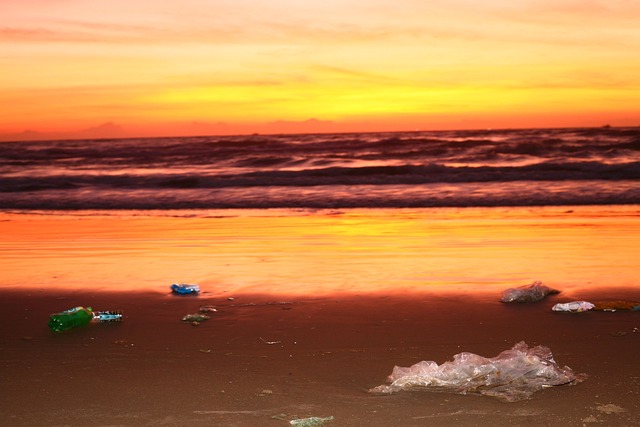
In the realm of New York City sewer line repair, the role of sewage cleanup naturally is a critical yet often overlooked aspect. Environmental sewage management demands a multifaceted approach that goes beyond mere pipeline replacement. The natural breakdown and cleanup of sewage play a significant part in maintaining the city's intricate water infrastructure. For instance, anaerobic bacteria naturally present in sewage can break down organic matter, reducing the volume of waste that needs to be pumped out and treated. This not only minimizes environmental impact but also saves resources by deferring costly treatment processes.
Moreover, effective sewage cleanup naturally contributes to water damage restoration in CO (and similarly affected areas) by preventing the infiltration of contaminated water into buildings. By addressing sewer gas smell troubleshooting proactively through natural methods, such as venting and aerating affected areas, residents can mitigate health risks associated with noxious gases like sulfur dioxide. Property Restoration of the Capital Region, for example, has successfully employed these techniques to restore properties damaged by sewer-related incidents, emphasizing the importance of comprehensive environmental sewage management.
However, navigating the challenges of sewage cleanup naturally requires careful consideration. Factors like weather conditions, building structures, and the extent of pipeline damage can significantly impact the effectiveness of natural remediation. For instance, heavy rainfall can wash away beneficial microorganisms before they establish, while concrete structures may limit the penetration of oxygen and other essential elements needed for natural breakdown processes. Therefore, a balanced approach combining traditional repair techniques with strategic natural cleanup methods is crucial for long-term sustainability and environmental integrity.
Choosing the Right Contractor for Repairs
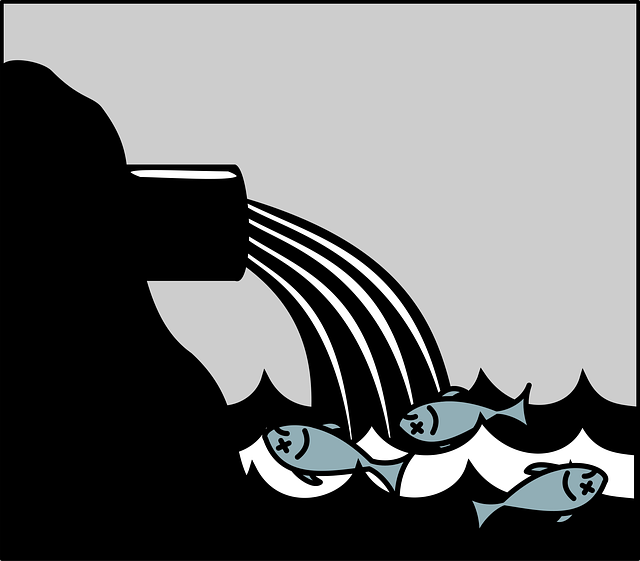
Choosing the right contractor for New York City sewer line repair is a crucial step to ensuring effective and efficient resolution of plumbing issues. With the city's complex underground infrastructure, it's essential to select professionals who possess the expertise and resources to navigate this labyrinthine network. Property Restoration of the Capital Region, for instance, has built a reputation for its specialized services in sewage cleanup naturally and comprehensive sewer maintenance programs. This approach not only minimizes environmental impact but also prevents costly damage from raw sewage pollution.
When evaluating potential contractors, consider their track record in handling various sewer-related challenges. Reputable companies should offer a range of services, including inspection, repair, and replacement of pipes, as well as expert advice on sewer maintenance tips for homeowners. They should be equipped to provide 24/7 emergency response for sudden sewage backups or leaks, ensuring swift action that minimizes water damage and the risk of mold growth. Moreover, they must adhere to stringent environmental regulations in their raw sewage removal processes.
Regular sewer maintenance is a proactive approach to prevent costly repairs and health hazards associated with sewage pollution. Homeowners can take practical steps like scheduling annual inspections, avoiding excessive pressure on plumbing systems (e.g., using garbage disposals sparingly), and promptly addressing leaks or clogs. By combining professional expertise with these sewer maintenance tips for homeowners, New Yorkers can ensure the longevity of their plumbing systems and maintain a clean, safe environment.
Preventative Measures: Long-Term Solutions

Preventative measures play a crucial role in maintaining the health and longevity of New York City's sewer lines. While immediate repairs are often necessary to address leaks or blockages, long-term solutions lie in proactive strategies that minimize damage and reduce the need for extensive interventions. One effective approach is adopting natural methods for sewage cleanup, which not only benefits the environment but also contributes to a more sustainable infrastructure. For instance, implementing bio-remediation techniques allows for the use of beneficial bacteria to break down contaminants, offering an eco-friendly alternative to harsh chemical cleaners.
Property Restoration of the Capital Region, a trusted name in emergency services, emphasizes the importance of regular maintenance checks. Their team of experts recommends scheduling periodic inspections to identify potential issues early on. This proactive approach, coupled with natural sewage cleanup services, can significantly extend the life of sewer lines. Furthermore, exploring educational opportunities like sewage treatment plant tours provides valuable insights into how these facilities operate and highlights the critical role they play in maintaining water quality.
The local sewer authority, a key stakeholder in this domain, offers guidance on best practices for homeowners and businesses alike. Contacting them for advice on preventative measures, such as installing backflow prevention devices or implementing proper waste disposal habits, can substantially reduce the risk of sewer line damage. Data from recent studies indicates that up to 40% of sewer line failures can be attributed to preventable causes, underscoring the significant impact of proactive measures like these. By combining natural sewage cleanup practices with regular maintenance and education, New York City can ensure its sewer system remains robust and resilient for years to come.
By delving into the intricate world of New York City's sewer system, this article has illuminated critical aspects of sewer line repair. Key insights include understanding common causes of damage, adopting advanced repair techniques guided by expert opinions, and recognizing the natural role of sewage cleanup. Furthermore, choosing the right contractor and implementing preventative measures offer long-term solutions. The value lies in a holistic approach that combines technical expertise with natural processes like sewage cleanup naturally, ensuring both immediate and sustained results. Readers now possess authoritative knowledge to make informed decisions regarding their city's sewer line health.