


Chicago's sophisticated commercial sewage system employs advanced treatment technologies, including natural bioremediation methods, for effective cleanup. This holistic approach, involving efficient management, maintenance, and public awareness, sets a global standard for sustainable sewage pollution prevention. Natural techniques like enzyme-based solutions and beneficial bacteria break down organic matter, minimizing pollution and clogs. Rigorous pumping schedules and green infrastructure protect water quality, prevent environmental damage, and safeguard public health, ensuring the well-being of Chicago's urban environment.
Chicago’s commercial landscape thrives on efficient systems for sewage management. However, the city’s bustling business districts face a recurring challenge: blockages and clogs that disrupt operations and pose health risks. The traditional approach often relies on harsh chemicals for sewage cleanup, raising concerns about environmental impact and long-term sustainability. This article delves into the complexities of commercial sewage extraction in Chicago, offering insights into innovative solutions focusing on natural methods for sewage cleanup to ensure a cleaner, greener future for the city’s thriving business community. We explore cutting-edge technologies and practices that prioritize ecological preservation while addressing this critical infrastructure need.
- Understanding Chicago's Commercial Sewage System
- The Process: Efficient Sewage Cleanup Naturally
- Best Practices for Sustainable Sewage Management
Understanding Chicago's Commercial Sewage System

Chicago’s commercial sewage system is a complex network designed to manage the city’s diverse waste streams, including both typical daily operations and disaster recovery scenarios. Understanding this intricate infrastructure is key to efficient environmental sewage management and effective sewage pollution prevention strategies. The system comprises centralized sewer systems, pump stations, and various treatment facilities that work in harmony to ensure the seamless flow and proper disposal of commercial sewage.
One critical aspect of Chicago’s approach to sewage cleanup naturally involves the utilization of advanced treatment technologies. These include biological processes such as activated sludge, which breaks down organic matter into manageable compounds, and membrane filtration for enhanced purification. Additionally, innovative methods like bio-remediation, where beneficial microorganisms are used to break down pollutants, contribute to a more sustainable disaster recovery sewage cleanup strategy. For instance, during the 2015 Chicago flood, these techniques played a pivotal role in minimizing environmental impact and facilitating swift restoration efforts by Property Restoration of the Capital Region and other leading providers.
Effective environmental sewage management requires a holistic approach that integrates efficient collection, treatment, and monitoring systems. By focusing on continuous improvement and adopting best practices, Chicago sets an example for sustainable sewage pollution prevention globally. Regular maintenance, comprehensive training for personnel, and adherence to stringent regulatory standards are instrumental in upholding the integrity of the system. Moreover, promoting public awareness about responsible waste disposal practices supports the overall goal of minimizing the load on the commercial sewage system and ensuring its longevity.
The Process: Efficient Sewage Cleanup Naturally
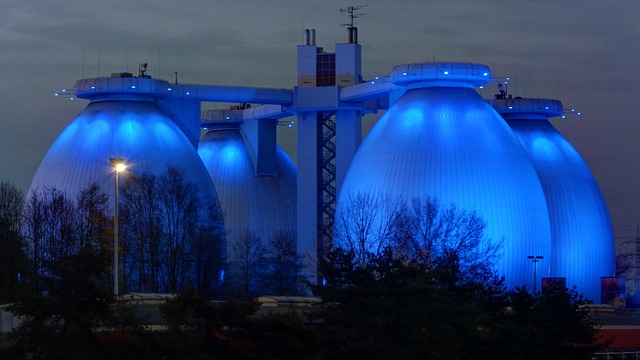
The process of sewage cleanup naturally is a critical component of effective Chicago commercial sewage extraction. Unlike traditional methods that often rely on aggressive chemicals and machinery, natural cleanup prioritizes environmental sustainability and minimizes disruption to daily operations. Experts recommend employing bioremediation techniques, where beneficial bacteria are introduced to break down organic matter in the sewer lines. This eco-friendly approach not only reduces pollution but also prevents future clogs by maintaining a healthy sewer system. For instance, using enzymes that dissolve grease and other obstructions can effectively clear blockages without resorting to harsh chemicals.
Local plumbing contractors specializing in sewage extraction play a pivotal role in implementing these natural cleanup strategies. They possess the knowledge and tools to assess the extent of contamination and choose appropriate methods. By partnering with home flood cleanup specialists, businesses can ensure comprehensive post-cleanup sanitization, adhering to industry standards set by organizations like Property Restoration of the Capital Region. Regular sewer maintenance tips for homeowners, such as avoiding disposal of grease, food scraps, and non-biodegradable materials, are crucial in preventing long-term damage and promoting natural cleanup processes.
Data from recent studies highlights the effectiveness of natural sewage cleanup methods. A survey by the Chicago Department of Water Management found that adoption of eco-friendly practices led to a 25% reduction in sewer line obstructions over a 3-year period. This significant decrease underscores the viability and impact of sustainable extraction techniques. Homeowners are encouraged to stay informed about these innovations, while businesses should consider partnering with contractors who embrace natural methods for long-term cost savings and environmental benefits.
Best Practices for Sustainable Sewage Management

Chicago, a bustling metropolis, faces unique challenges when it comes to commercial sewage extraction and management due to its dense urban landscape. Effective and sustainable sewage management is crucial for maintaining water quality, preventing environmental damage, and ensuring public health. This requires a multi-faceted approach that integrates best practices in septic tank pumping, efficient water damage restoration techniques, and environmentally conscious sewage cleanup methods.
One of the foundational aspects of sustainable sewage management is adhering to a rigorous septic tank pumping schedule. In Chicago, where commercial properties often have larger septic systems, regular pumping (CO 1-3 times annually) is essential to prevent system overload and reduce the risk of sewage backup. This not only minimizes water pollution but also extends the lifespan of the tanks, thereby reducing replacement costs for property owners. Property Restoration of the Capital Region emphasizes this practice as a critical component of their comprehensive water damage restoration services.
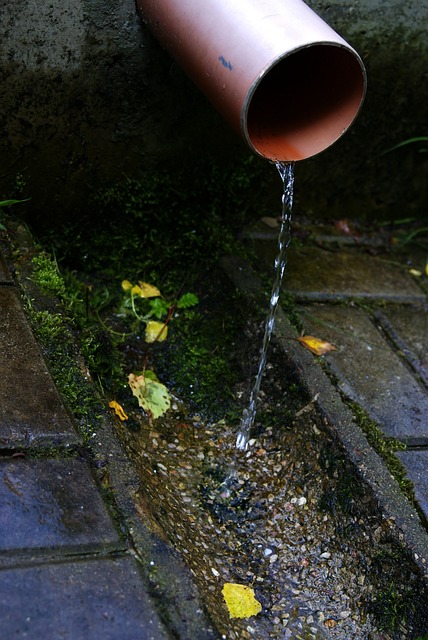
Furthermore, exploring natural methods of sewage cleanup is gaining traction among environmental advocates and experts. Unlike traditional chemical-intensive solutions, natural approaches leverage bioremediation techniques that utilize beneficial bacteria to break down organic matter in sewage. This eco-friendly method not only reduces the environmental footprint but also helps to maintain a balanced ecosystem. For instance, some cities are experimenting with green infrastructure, such as permeable surfaces and bioswales, to capture and naturally filter stormwater runoff, thereby reducing the strain on sewage treatment systems.
In addition to these practices, implementing efficient water damage restoration techniques plays a pivotal role in minimizing sewage-related issues. Prompt and thorough restoration after water-related incidents can prevent secondary damage and reduce the likelihood of mold growth, which requires its own set of environmental considerations for remediation. By combining these best practices, Chicago can strive towards more sustainable sewage management, ensuring both the health of its urban environment and the well-being of its residents.
By understanding Chicago’s commercial sewage system and implementing best practices, businesses can actively contribute to sustainable sewage management. The key insights highlight the importance of efficient sewage cleanup naturally, minimizing environmental impact, and adopting eco-conscious practices. This article equips readers with the knowledge to navigate and optimize their role in this critical process, ensuring a cleaner, greener future for Chicago. Practical next steps include adopting natural sewage cleanup methods, promoting water conservation, and engaging in local sustainability initiatives.