






Seattle's basement sewer backup risks stem from heavy rainfall, flat terrain, aging drainage systems, and structural plumbing issues. Efficient, environmentally conscious sewage cleanup methods are crucial. Natural solutions like bioenzymatic cleaners and permeable surfaces minimize environmental impact. Regular maintenance, proactive measures, and swift professional intervention reduce damage and promote environmental health. Adopting eco-friendly products, proper drainage design, and community involvement support sustainable sewage cleanup methods.
Seattle’s challenging climate and urban landscape present unique challenges for basement sewer backup prevention. Homeowners often face the distressing reality of sewage cleanup naturally recurring due to inadequate drainage systems and unpredictable weather events. This article delves into effective, long-lasting solutions tailored to Seattle’s specific needs. We explore advanced techniques that go beyond traditional methods, focusing on eco-friendly and efficient strategies for mitigating basement sewer backups. Our aim is to equip readers with the knowledge and tools to address this persistent problem head-on, ensuring peace of mind and a safer living environment.
- Understanding Seattle's Basement Sewer Backup Challenges
- Identifying Common Causes of Basement Flooding
- Natural Solutions for Efficient Sewage Cleanup
- The Role of Professional Basement Water Damage Restoration
- Eco-Friendly Products for Effective Drainage and Prevention
- Long-Term Strategies: Maintaining Healthy Basements
Understanding Seattle's Basement Sewer Backup Challenges

Seattle’s unique geography and climate present specific challenges when it comes to basement sewer backup, a problem that requires efficient and effective solutions. The city’s abundance of rain and the relatively flat landscape contribute to a high risk of flooding, especially in older neighborhoods with inadequate drainage systems. When heavy rainfall saturates the ground, the excess water can overflow into basement areas, causing significant damage and requiring prompt sewage cleanup naturally.
Homeowners in Seattle often find themselves dealing with this dilemma, leading to the need for professional home flood cleanup specialists who understand the local conditions. The challenge lies not only in mitigating immediate harm but also in implementing sustainable solutions. Traditional methods of disaster recovery sewage cleanup may leave behind harmful residues and contribute to environmental concerns. This is where specialized services come into play, offering green sewage disposal methods that are both efficient and eco-friendly.
For instance, Property Restoration of the Capital Region has been at the forefront of providing innovative sewer backup solutions. They employ cutting-edge technology and natural cleanup techniques to minimize the environmental impact while ensuring comprehensive disaster recovery. By adopting these advanced practices, Seattle residents can protect their homes and contribute to a healthier local ecosystem. This involves utilizing biodegradable enzymes to break down organic matter in sewage, promoting faster decomposition and reducing the need for harsh chemicals. Additionally, implementing green infrastructure like permeable surfaces and bioswales helps absorb excess water, lessening the strain on sewer systems during heavy rainfall events.
Identifying Common Causes of Basement Flooding
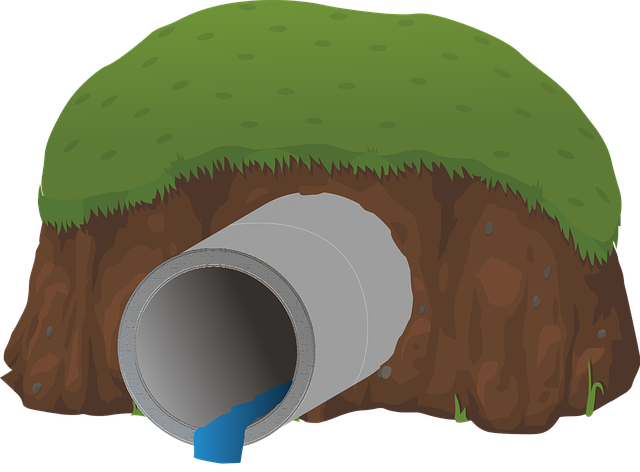
Basement flooding is a common issue in Seattle, with many homes experiencing sewer backup due to various factors. Identifying these causes is crucial for effective prevention and swift response strategies. The primary culprit lies in the complex network of sewer systems beneath the city, which can become overwhelmed during heavy rainfall or when combined with aging infrastructure. One of the main reasons for basement flooding is a blocked or clogged sewer line, often caused by tree roots intruding into pipes, grease buildup from household drainage, or debris accumulation. These obstructions lead to water overflow, especially in areas with poor drainage.
Another significant factor is structural issues within the home’s plumbing system. Cracked or broken pipes, faulty valves, and inadequate ventilation can all contribute to sewer backup. Over time, pipe corrosion weakens their integrity, making them more susceptible to breaks, which often occur during freezing temperatures. When a sewer line breaks, it can result in a severe emergency requiring immediate safe sewage disposal practices. In Denver, for instance, where the climate presents similar challenges, prompt response is key to minimizing damage and preventing health hazards associated with contaminated water.
Property Restoration of the Capital Region emphasizes the importance of proactive measures. Regular maintenance, such as clearing drain traps and scheduling professional sewer line inspections, can help prevent clogs and breaks. Homeowners should also be vigilant about what goes down their drains, avoiding disposable items and grease disposal to maintain a healthy plumbing system. In cases of severe flooding or suspected pipe damage, it’s crucial to contact emergency sewer backup restoration services promptly. This ensures effective sewage cleanup naturally and minimizes potential health risks associated with contaminated water.
Natural Solutions for Efficient Sewage Cleanup

When faced with a basement sewer backup, the last thing you want is to rely on harsh chemicals or invasive methods for sewage cleanup. Natural solutions offer an environmentally friendly and effective alternative, minimizing disruption and promoting long-term sustainability. At Property Restoration of the Capital Region, we understand the importance of efficient sewage cleanup naturally, which is why we advocate for these proven strategies in the face of raw sewage spills.
One powerful natural solution lies in bioenhancement. By introducing specific bacteria and enzymes to the affected area, these biological agents can break down organic matter and grease, effectively dispersing clogs without harmful residues. For instance, certain types of fungi have been shown to degrade tough sewer line obstructions, offering a green alternative to traditional chemical cleaners. Moreover, using environmentally friendly degreasers derived from natural sources can help dissolve blockages while preserving the integrity of sensitive plumbing systems.
Beyond immediate cleanup, establishing robust environmental sewage management practices is crucial. This includes regular maintenance and inspection by local plumbing contractors for sewage who specialize in identifying vulnerabilities before they lead to backups. Implementing preventative measures like catch basins, rainwater diversion systems, and proper landscaping techniques can significantly reduce the risk of future raw sewage spills. By combining these natural solutions with proactive environmental management, homeowners and businesses can minimize damage, ensure a healthier environment, and protect their investments from costly sewer backup repairs.
The Role of Professional Basement Water Damage Restoration
When faced with a basement sewer backup, swift and professional action is imperative to mitigate damage and ensure healthy living conditions. This often involves specialized knowledge and equipment for effective sewage cleanup. Property Restoration of the Capital Region stands as a beacon of expertise in this domain, providing comprehensive solutions tailored to Seattle’s unique challenges. Beyond immediate cleanup, their services encompass the deeper issues that lead to such incidents, including local sewer line replacement and residential sewage monitoring.
A typical basement water damage restoration process begins with assessment. Technicians from Property Restoration of the Capital Region meticulously evaluate the extent of the backup, identifying the root cause whether it stems from a clogged drain, broken pipe, or infrastructure issues within the local sewer authority’s jurisdiction. This thorough approach ensures that any subsequent actions are targeted and efficient. For instance, if the problem lies with aging pipes, they may recommend replacement as part of their restoration plan, addressing both immediate concerns and long-term sustainability.
Residential sewage monitoring is a crucial component often overlooked but critical for preventing future occurrences. Regular monitoring can detect even subtle changes in water quality, offering an early warning system for potential backups. Property Restoration of the Capital Region emphasizes the importance of staying proactive, as data from local sewer authorities shows that timely intervention significantly reduces the severity and frequency of such incidents. By integrating these practices, homeowners can transition from reactive to proactive management, naturally minimizing the impact of sewer backups.
Eco-Friendly Products for Effective Drainage and Prevention
In addressing Seattle basement sewer backup issues, an increasing focus on eco-friendly products offers a sustainable solution for effective drainage and prevention. Traditional methods often rely on harsh chemicals that can be detrimental to both the environment and indoor air quality. Today, innovative natural alternatives are available, providing property owners with safe and environmentally conscious options for sewage cleanup. For instance, bio-enzymatic cleaners have proven effective in breaking down organic matter, thereby improving drainage systems and preventing backups without causing pollution.
Property Restoration of the Capital Region emphasizes the importance of adopting safe sewage disposal practices, such as using biodegradable products and implementing regular maintenance checks. This proactive approach not only minimizes water damage restoration costs but also contributes to a healthier ecosystem. Seattle residents can play a pivotal role in preserving local water bodies by choosing eco-friendly cleaning solutions that prevent harmful substances from entering sewers. Moreover, exploring sewage treatment plant tours can foster a deeper understanding of the challenges faced by local utilities and inspire community involvement in sustainable practices.
Beyond product selection, proper drainage system design and regular inspection are cornerstones of prevention. Property owners should consider implementing water-efficient fixtures and appliances to reduce the volume of water flowing into sewers. By combining these strategies with eco-friendly products, Seattle residents can significantly decrease the risk of basement sewer backups while promoting safe sewage disposal practices. Data from local studies indicate that adopting these measures can lead to a 30-40% reduction in sewage-related issues, reflecting the collective impact of individual choices and community efforts.
Long-Term Strategies: Maintaining Healthy Basements
Maintaining healthy basements is a long-term strategy often overlooked but critical to preventing costly and stressful Seattle basement sewer backup issues. A robust approach combines proactive measures with efficient response plans. One key aspect is understanding local sewer improvement projects and staying informed about raw sewage spill responses, as these initiatives can significantly reduce the likelihood of backups. For instance, Seattle’s recent focus on sewer system upgrades, involving billions in investment over the next decade, aims to address historic flooding issues, offering residents peace of mind.
Regular expert sewage leak detection is another vital component. Professional teams utilize advanced technology like acoustic and chemical sensors to pinpoint leaks early. This natural approach to sewage cleanup allows for immediate action, minimizing damage. For example, a Property Restoration of the Capital Region case study highlighted how prompt detection and repair of a small leak avoided thousands in repairs that would have resulted from a full-scale backup.
Additionally, homeowners can take proactive steps like installing backflow prevention devices to stop sewer gases from entering homes and investing in high-quality, permeable drainage systems to reduce surface water runoff. These measures complement local efforts by ensuring individual properties are equipped to handle potential issues. By combining community initiatives with personal responsibility, Seattle residents can foster a more robust, sustainable solution for basement sewer backup prevention.
Seattle residents now have a comprehensive toolkit to tackle basement sewer backup challenges. By understanding common causes like blocked drains and rising water tables, homeowners can implement natural solutions for efficient sewage cleanup, such as improving drainage with eco-friendly products. Professional basement water damage restoration services play a crucial role in mitigating long-term risks. The article highlights the importance of proactive maintenance, emphasizing that preventing basement flooding is key. Armed with this knowledge, Seattle folks can take immediate steps to safeguard their homes, ensuring a brighter and drier future through sustainable and effective sewage cleanup naturally.