




New York City's complex sewer system demands prompt and efficient sewage cleanup for public safety and environmental protection. Traditional chemical methods coexist with eco-friendly approaches like bio-remediation with beneficial bacteria. Key challenges include pipe damage, clogs, tree root intrusions, and structural failures requiring immediate action. Property Restoration of the Capital Region specializes in swift, green cleanout methods. Regular maintenance, advanced equipment, and tailored solutions are crucial for optimal sewer network integrity. Natural techniques, guided by the Sewer Maintenance District map, reduce environmental impact. High-pressure water jetting and leak detection technology are common methods. Legal frameworks, including DEC permits, safeguard public health and inform fair business practices. Regular commercial sewer maintenance reduces emergency repairs. Post-cleanup decontamination and understanding repair costs ensure effective resource allocation.
New York City’s aging infrastructure presents a significant challenge with frequent raw sewer overflows, posing risks to public health and the environment. The issue of quick and effective sewage cleanup naturally has garnered urgent attention. This article delves into innovative strategies specifically tailored for navigating NYC’s unique circumstances. We explore sustainable, efficient methods that offer long-term solutions, prioritizing environmental stewardship while addressing the pressing need for swift sewer cleanout. By employing cutting-edge techniques, we aim to provide valuable insights for professionals dedicated to maintaining a cleaner, healthier urban landscape.
- Understanding New York City's Raw Sewer System
- When and Why You Need a Quick Cleanout
- Safety Precautions for Homeowners and Professionals
- Natural Methods for Efficient Sewage Cleanup
- The Equipment and Techniques Employed
- Legalities, Permits, and Post-Cleanup Care
Understanding New York City's Raw Sewer System
New York City’s raw sewer system is a complex network designed to manage the immense volume of wastewater generated by its millions of residents. Understanding this intricate system is paramount when addressing sewage cleanup concerns, particularly in situations where prompt and natural solutions are sought. The city’s sewers collect and convey stormwater and sanitary wastewater from buildings and infrastructure before transporting it to treatment facilities for processing. This robust system, though highly effective, can encounter challenges that necessitate quick response and specialized knowledge for efficient resolution.
One of the primary components involves local sewer line replacement, which is often required due to aging infrastructure or damage caused by extreme weather events. In cases of severe pipe breakage, a sewer line emergency arises, demanding immediate attention to prevent widespread flooding and contamination. Property owners and managers must be aware that traditional cleanup methods often involve chemical treatments, while more eco-friendly approaches, such as sewage cleanup naturally through biological processes, are gaining traction in the industry. For instance, bio-remediation techniques utilize beneficial bacteria to break down organic matter, offering a sustainable alternative to harsh chemicals.
The city’s sewage treatment process involves several stages, including preliminary screening, primary sedimentation, secondary treatment with biological filtration, and advanced disinfection before discharge into rivers or oceans. This meticulous process ensures that contaminants are removed, making the water safe for environmental release. When addressing sewer-related issues, it’s crucial to engage professionals like Property Restoration of the Capital Region who specialize in both traditional and natural cleanup methods. Their expertise can guide property managers through the complexities of local regulations and help implement solutions tailored to specific challenges, ensuring swift restoration without compromising environmental integrity.
When and Why You Need a Quick Cleanout
In New York City, where bustling infrastructure meets historical plumbing systems, quick and efficient sewer cleanout becomes a critical aspect of property maintenance and public safety. The need for prompt action arises from various scenarios, particularly when addressing clogs or overflows that can lead to severe damage and health hazards. Recognizing the urgency, Property Restoration of the Capital Region offers specialized services for swift raw sewer cleanout, ensuring minimal disruption and effective resolution.
The decision to undertake a quick sewage cleanup naturally is prompted by several factors. Clogged sewers often result from foreign objects, tree root intrusions, or structural damage, requiring immediate attention to prevent further complications. For instance, a sudden sewer gas smell could indicate a breach in the system, necessitating quick sampling and testing to identify potential risks. Unlike traditional methods that may leave behind harmful chemicals, Property Restoration employs green sewage disposal methods, prioritizing environmental safety and sustainability. Their experts will assess the situation, determine the root cause, and implement tailored solutions, ensuring compliance with local regulations regarding sewage handling and disposal.
Moreover, timely cleanout plays a pivotal role in maintaining water quality and public health. Unaddressed sewer issues can lead to the contamination of groundwater supplies and the spread of diseases through unsanitary conditions. By swiftly tackling these problems, Property Restoration helps protect not only individual properties but also the broader community’s well-being. They utilize advanced equipment and techniques for effective cleanout, leaving sewers in optimal working condition. Regular maintenance, coupled with prompt action during emergencies, is key to preserving the integrity of NYC’s complex sewer network.
Safety Precautions for Homeowners and Professionals
Navigating a sewer line break or dealing with raw sewage backup in your New York City home can be a dire situation. Homeowners and professionals alike must prioritize safety when addressing these emergencies. Proper precautions are essential to mitigate health risks associated with sewage pollution, especially considering NYC’s dense urban environment.
The first step is recognizing the severity of the issue. Raw sewerage contains harmful pathogens, bacteria, and toxins that can cause serious illnesses. Therefore, protective gear is paramount. This includes gloves, goggles, and masks designed to filter out dangerous particles. For instance, a study by the CDC revealed that proper personal protective equipment (PPE) significantly reduces the risk of infections during sewage cleanup efforts. Additionally, ensuring adequate ventilation in affected areas is crucial to preventing the buildup of noxious gases.
In the event of a sewer line break or emergency, immediate residential sewage monitoring should be initiated. Property Restoration of the Capital Region emphasizes the importance of testing water sources and environmental samples to gauge the extent of contamination. This proactive approach allows for swift action and effective containment strategies. Preventative measures like regular inspection and maintenance can also reduce the likelihood of such disasters. For example, a proactive sewer line repair schedule can prevent breaks that lead to costly and hazardous cleanup situations.
Furthermore, professionals should adhere to strict sewage pollution prevention protocols. This includes using environmentally friendly cleaning methods, like natural enzymes for breaking down organic matter, instead of harsh chemicals that may further contaminate the environment. In emergency situations, quickly containing and diverting affected wastewater is key to minimizing damage and health risks. For instance, during a recent sewer line break in Manhattan, rapid response teams utilized natural absorbents and advanced monitoring techniques to successfully manage the cleanup while ensuring the safety of nearby residents.
Natural Methods for Efficient Sewage Cleanup
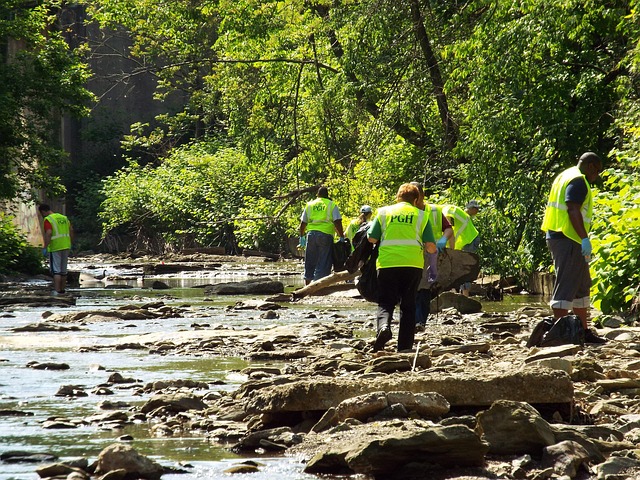
Navigating the challenge of sewage cleanup naturally is a growing priority in urban environments like New York City, where efficient yet sustainable methods are essential for maintaining public health and environmental integrity. Unlike traditional chemical-heavy approaches, natural techniques offer a more eco-friendly and cost-effective solution, aligning with the global trend toward sustainable sewage management. One prominent example is bio-remediation, where beneficial bacteria and microorganisms are deployed to break down pollutants, transforming them into harmless byproducts. This method not only reduces chemical usage but also fosters a healthier aquatic ecosystem.
In New York City, the Sewer Maintenance District map plays a crucial role in identifying areas that require immediate attention for raw sewer cleanout. Property owners and emergency plumbing repair services within these districts are prompted to adopt natural cleanup strategies. For instance, using enzymes that break down organic matter can significantly reduce the volume of sewage, making it easier to manage and treat. This not only minimizes environmental impact but also streamlines the overall cleanup process. Moreover, integrating green infrastructure, such as bioswales and permeable surfaces, can aid in naturally filtering stormwater runoff, preventing excess sewage loading into city sewers.
Property Restoration of the Capital Region exemplifies a proactive approach by specializing in eco-friendly sewer cleanout techniques. By leveraging natural methods, their team ensures minimal disruption to local ecosystems while effectively clearing blockages. This sustainable practice not only benefits the environment but also extends the lifespan of city infrastructure. As urbanization continues to grow, embracing these innovative solutions will be vital for managing sewage cleanup naturally and ensuring a cleaner, healthier New York City for future generations.
The Equipment and Techniques Employed
New York City’s raw sewer cleanout operations require specialized equipment and advanced techniques to address the challenges of urban infrastructure. When it comes to efficient sewage cleanup, professionals rely on a combination of cutting-edge technology and time-tested methods. For instance, high-pressure water jetting is a common practice, where powerful jets of water are used to break down and remove obstructions within sewer lines, ensuring smooth flow and minimizing the need for chemical interventions. This technique is particularly effective in navigating complex labyrinthine sewer maintenance districts, as mapped by the city’s dedicated departments, enabling targeted and precise cleanout operations.
Sewage leak detection technology plays a pivotal role in proactive sewer maintenance. Advanced sensors and monitoring systems can identify even the subtlest indications of leaks or blockages, allowing for swift action before issues escalate. By employing these technologies, utility companies can optimize their response times and reduce the impact on surrounding areas. For instance, data from leak detection systems has shown that prompt intervention can minimize water waste and prevent damage worth millions of dollars in property restoration, as highlighted by experts at Property Restoration of the Capital Region.
The sewage treatment process is a multifaceted operation. Once cleaned, the wastewater undergoes a series of treatments to remove pollutants and contaminants. Primary treatment involves physical and biological processes to reduce suspended solids and organic matter. Secondary treatment employs microorganisms to break down organic compounds further, while advanced oxidation processes can eliminate stubborn pollutants. Understanding these stages is crucial for effective sewer maintenance, ensuring that treated water meets environmental standards before release into rivers or oceans.
Legalities, Permits, and Post-Cleanup Care
The legal framework surrounding quick New York City raw sewer cleanout procedures is designed to protect both public health and the environment while ensuring fair business practices. Before initiating any sewage cleanup or repair work, obtaining the necessary permits from the Department of Environmental Conservation (DEC) is mandatory. This regulatory oversight is particularly crucial in densely populated urban areas like NYC, where improper handling of raw sewage can lead to severe ecological damage and pose significant health risks to residents.
In the event of a disaster recovery situation, such as a burst pipe or heavy rainfall overwhelming the city’s sewer system, timely and efficient cleanup is essential. Property Restoration of the Capital Region offers expert guidance on navigating these complex legalities, ensuring compliance throughout every step of the process. For commercial properties, regular sewer maintenance, including cleanout services, should be budgeted for at least once a year to prevent costly emergency repairs. A recent industry study reveals that proactive commercial sewer maintenance can reduce line repair costs by up to 30%, underscoring the importance of scheduled upkeep.
Post-cleanup care is another critical aspect often overlooked. After a raw sewer cleanout, it’s essential to decontaminate affected areas thoroughly to mitigate potential health hazards. Professional remediation services employ advanced techniques and equipment to remove any remaining sewage contaminants, ensuring a safe environment for both occupants and the local ecosystem. Moreover, understanding the typical sewer line repair cost estimate can help property owners and managers allocate resources more effectively, whether through routine maintenance or emergency cleanout services.
After exploring the intricate world of New York City’s raw sewer system, understanding when a quick cleanout is necessary, safety protocols for homeowners and professionals, and the legalities involved, this article has equipped readers with invaluable knowledge. Key insights include recognizing the importance of prompt action during sewer backups, adopting natural methods for efficient sewage cleanup to minimize environmental impact, and familiarizing oneself with the specialized equipment and techniques employed by experts. Additionally, we’ve highlighted the significance of safety precautions and post-cleanup care. Moving forward, homeowners can proactively prevent sewer issues through regular maintenance, while professionals can offer effective solutions that promote sustainable sewage cleanup naturally. By applying these key learnings, readers are now empowered to navigate the complexities of NYC’s raw sewer system with confidence and expertise.