





Efficient 24/7 sewage cleanup and drainage management are critical for community well-being, environmental safety, and cost savings. Regular monitoring, prompt maintenance, and eco-friendly solutions prevent blockages, backups, and pollution. Key strategies include regular sewer cap replacement, source separation of organic waste, annual residential drain cleaning, and natural cleaning methods like baking soda and vinegar. Proactive maintenance, basic sewage treatment knowledge, and professional assistance empower residents to protect drainage infrastructure and preserve environmental integrity. Regular cleaning, advanced detection, and vigilance are essential for preventing serious issues and minimizing future remediation efforts.
In today’s fast-paced world, reliable 24/7 drain cleaning services are an often overlooked yet critical component of home and business maintenance. Clogged drains can lead to not just inconvenience but also pose significant health risks through stagnant sewage buildup. While chemical solutions are common, they can be harmful to both people and the environment. Luckily, natural sewage cleanup methods offer a safe, eco-friendly alternative for maintaining clear drains. This article delves into the importance of prompt, efficient, yet sustainable drain cleaning, providing expert insights on effective 24/7 solutions that prioritize both your well-being and the planet’s.
- Understanding 24/7 Drain Cleaning Needs
- The Benefits of Natural Sewage Cleanup
- Identifying Common Drainage Issues
- Effective Methods for Drain Maintenance
- Ensuring Long-Term Drain Health and Prevention
Understanding 24/7 Drain Cleaning Needs
Understanding 24/7 Drain Cleaning Needs is paramount for any community, as efficient drainage systems are vital to public health and environmental safety. In urban areas, where dense populations and complex infrastructure coexist, proactive sewage cleanup naturally becomes a key strategy in mitigating potential disasters. The impact of inefficient drainage can be severe, leading to not only unsanitary conditions but also significant property damage and environmental pollution.
Sewage pollution prevention is a multifaceted approach that involves regular monitoring, prompt maintenance, and eco-friendly solutions. For instance, residential areas can implement sophisticated sewage monitoring systems to detect any anomalies in water flow or quality 1-3 times daily, enabling early intervention before issues escalate. In the event of a disaster, such as heavy rainfall overwhelming drainage systems, efficient cleanup strategies are crucial for swift recovery. Property Restoration of the Capital Region, for example, has successfully navigated numerous such scenarios, demonstrating the importance of having reliable sewage cleanup services readily available 24/7.
Beyond emergency response, regular 24/7 drain cleaning plays a pivotal role in disaster recovery by preventing blockages and backups that could aggravate damage. This proactive approach not only saves time and resources but also ensures the health and safety of residents. By integrating natural solutions into drainage management, communities can further minimize environmental impact while promoting sustainable practices. In summary, understanding and addressing 24/7 drain cleaning needs are essential for any community aiming to safeguard its inhabitants and protect its environment.
The Benefits of Natural Sewage Cleanup
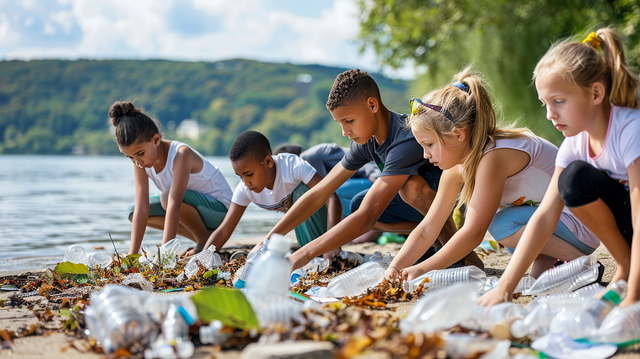
The benefits of adopting natural sewage cleanup methods are becoming increasingly recognized as a sustainable and effective alternative to conventional sewage treatment processes. This approach not only minimizes environmental impact but also offers several advantages for property owners and local communities. By focusing on eco-friendly practices, such as implementing a sewer cap replacement program and utilizing residential drain cleaning services regularly (1-3 times per year), the Capital Region can achieve significant improvements in water quality and infrastructure longevity.
Natural sewage cleanup involves a comprehensive understanding of the sewage treatment process explained by experts. It starts with preventing blockages through regular maintenance, which is crucial for reducing the strain on local sewers. Property Restoration of the Capital Region, for instance, has seen success in communities where annual cap replacement programs have been implemented, leading to decreased sewer overflows and improved water flow. This proactive approach not only saves costs associated with emergency drain cleaning services but also minimizes damage caused by raw sewage spills, which can be a serious health hazard.
Moreover, natural methods focus on breaking down organic matter before it enters the sewage system. This can be achieved through source separation of grease, food scraps, and other organic waste for proper composting or anaerobic digestion. By adopting these practices, communities can reduce the reliance on chemical-based treatments, which not only have environmental consequences but also contribute to the emergence of drug-resistant bacteria. Data from recent studies indicate that natural sewage cleanup techniques can lead to a 30% reduction in chemical usage and significantly lower operational costs for treatment facilities.
In terms of residential applications, regular residential drain cleaning services play a pivotal role in this ecosystem. Property owners should consider scheduling professional cleanings every one to three years, depending on the age of their plumbing and local conditions. This proactive measure ensures that minor clogs or buildup do not turn into major issues, potentially causing damage to expensive appliances and leading to costly emergency repairs. By combining these natural sewage cleanup methods with timely drain cleaning, residents can contribute to a healthier environment while enjoying peace of mind and lower maintenance costs in the long run.
Identifying Common Drainage Issues
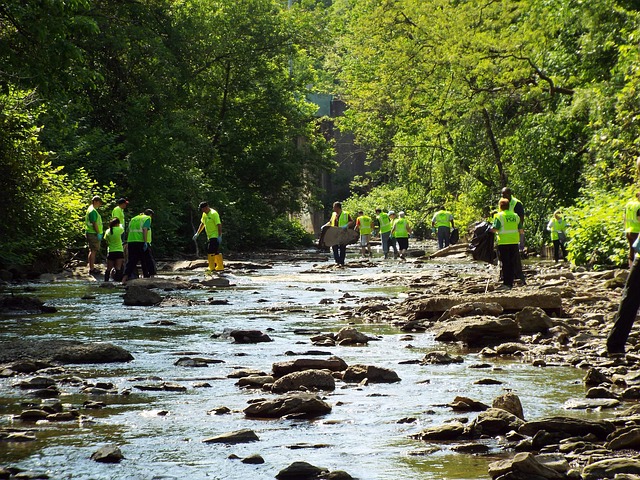
Many home and business owners overlook common drainage issues until they escalate into costly emergencies. Understanding potential problems is key to proactive maintenance. From clogged drains to sewer line damage, these issues can lead to not only significant property damage but also pose health risks if left unattended. For instance, a burst pipe or severe clog can result in sewage backup, contaminating surfaces and potentially causing respiratory issues for occupants.
One of the most effective strategies for managing drainage problems is preventative care. Regular maintenance checks by professionals equipped with advanced cleaning tools can clear minor blockages before they turn into major crises. Property Restoration of the Capital Region offers 24/7 emergency plumbing repair services to address sudden issues promptly. Furthermore, understanding the sewage treatment process can empower property owners. Simple practices like avoiding flushing non-biodegradable materials and scheduling professional drain cleaning services annually can contribute to efficient sewage treatment naturally.
Sewage treatment plants play a crucial role in managing our community’s wastewater, breaking down organic matter through complex biological processes. Visiting a sewage treatment plant (many offer tours) provides a fascinating glimpse into this critical infrastructure. While natural sewage cleanup methods have their place, advanced treatment facilities are essential for ensuring water quality and environmental safety. For example, primary, secondary, and tertiary treatments remove pollutants, allowing reclaimed water to be safely returned to nature or used for irrigation.
In the face of increasing water scarcity and environmental concerns, efficient drainage management is more important than ever. By combining proactive maintenance with a basic understanding of sewage treatment, residents can contribute to sustainable practices. Remember, when it comes to severe drainage issues or emergency plumbing repairs near me, professional assistance from trusted Capital Region providers like Property Restoration is readily available around the clock.
Effective Methods for Drain Maintenance
Maintaining healthy and efficient drainage systems is paramount for any community, large or small. Effective drain maintenance not only prevents costly clogs but also ensures safe sewage disposal practices, thereby preserving both environmental integrity and public health. A robust approach to drain care involves a combination of proactive measures and swift response to issues that arise.
One effective method for regular drain upkeep is the implementation of natural cleaning solutions. For instance, using baking soda and vinegar as a drain cleaner is a popular, eco-friendly alternative to chemical-based products. This simple mixture reacts with grease, soap scum, and other buildup, breaking them down into manageable components that can easily flow through pipes. Additionally, regular flushing with hot water and a small amount of boric acid or baking soda can help prevent clogs from forming in the first place. These safe sewage disposal practices not only benefit local ecosystems but also contribute to a healthier environment overall.
Sewage sampling and testing play a crucial role in environmental sewage management. By regularly monitoring drain systems for bacterial and chemical contaminants, property managers and local governments can quickly identify issues and implement targeted solutions. This proactive approach ensures that any potential pollution is addressed before it spreads, minimizing the impact on nearby waterways and ecosystems. For instance, Property Restoration of the Capital Region has successfully helped communities manage sewage cleanup naturally through these methods, enhancing their environmental stewardship and public safety measures.
In terms of long-term drain maintenance, establishing a preventive care schedule is essential. This includes regular deep cleaning sessions with specialized equipment to clear out stubborn buildup, as well as annual inspections to identify potential vulnerabilities in the drainage infrastructure. By integrating these practices into community and property management plans, we can ensure that our drains remain functional, safe, and environmentally sound for years to come.
Ensuring Long-Term Drain Health and Prevention

Maintaining healthy drains is an essential aspect of property upkeep, ensuring both immediate comfort and long-term convenience. Regular cleaning and proactive maintenance are key to preventing more serious—and costly—issues down the line. The buildup of grease, hair, food debris, and other common household items can lead to clogged drains, slow drainage, and even sewer backups. While chemical drain cleaners may provide a quick fix, they often fail to address the root cause and can be harmful to pipes over time. Therefore, prioritizing natural sewage cleanup methods is not only eco-friendly but also a smart strategy for drain longevity.
A comprehensive approach involves combining regular cleaning routines with advanced detection techniques. Property owners should consider implementing a schedule for manual clearing of easily accessible traps and drains in their kitchens and bathrooms. Enlisting the help of local experts in residential sewage monitoring can provide valuable insights into potential issues before they escalate. These professionals employ cutting-edge technology, such as camera inspections, to identify blockages and even tiny cracks that could indicate larger problems. For instance, a study by the National Sanitation Foundation revealed that nearly 40% of households experience at least one clogged drain per year, underscoring the importance of proactive measures.
Beyond routine maintenance, being vigilant about potential sewage leaks is crucial. Timely detection can prevent significant damage and costly repairs. Homeowners should be attuned to any unusual noises, smells, or visible signs of water damage. In cases of suspected leaks, contacting a local sewer authority or expert sewage leak detection service is advised. These professionals utilize specialized equipment to pinpoint the source, ensuring efficient and effective resolution. For example, Property Restoration of the Capital Region offers 24/7 emergency services, including expert drainage assessments and repair, to cater to residents’ needs promptly. Regular residential sewage monitoring, combined with prompt action upon detecting leaks, can save homeowners from extensive—and expensive—remediation efforts in the future.
By understanding the critical need for 24/7 drain cleaning services and prioritizing sustainable practices, homeowners and property managers can ensure long-term drain health. The article highlights several key insights: recognizing common drainage issues early is crucial; natural sewage cleanup methods offer effective, eco-friendly alternatives; and regular maintenance prevents costly repairs. With this knowledge, readers are empowered to take proactive steps like scheduling routine inspections, employing natural cleaning solutions, and staying informed about industry advancements. These practical next steps not only maintain the efficiency of drain systems but also contribute to a more sustainable environment.