






Philadelphia's ancient sewer system faces challenges from age, root intrusions, fat accumulation, and foreign objects, leading to clogs, overflows, and raw sewage backups. The Sewer and Water Authority (SWPA) improves the network through replacement projects and capacity enhancement but needs adaptation for new pressures from growth, infrastructure expansion, and climate change. Effective sewage cleanup naturally using eco-friendly methods minimizes damage, expedites recovery, and promotes sustainability. Proactive management reduces future problems. Choosing reliable Philadelphia sewer cleanup services with natural techniques and sustainable disposal ensures effective restoration and environmental protection. Costs range from $1,000 to $3,000 depending on damage.
In the bustling city of Philadelphia, reliable sewer cleanup services are an often overlooked yet critical component of urban infrastructure. Efficient sewage cleanup is essential for maintaining public health, preserving city aesthetics, and mitigating environmental hazards. However, navigating the labyrinthine landscape of cleanup options can be a challenge for residents and businesses alike. This article delves into the significance of trusted Philadelphia sewer cleanup services, highlighting the importance of natural, eco-friendly approaches where possible. We provide an authoritative guide to ensure folks receive top-quality, effective, and sustainable solutions for their sewage cleanup needs.
- Understanding Philadelphia's Sewer System and Common Issues
- The Process: Efficient Sewer Cleanup Naturally Techniques
- Choosing Reliable Services for Effective, Eco-Friendly Restoration
Understanding Philadelphia's Sewer System and Common Issues
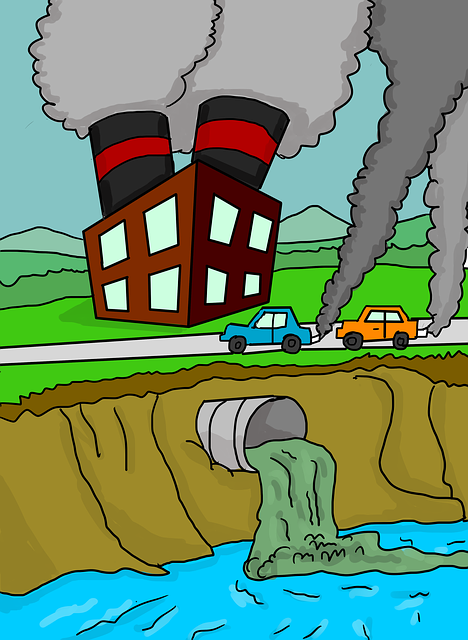
Philadelphia’s sewer system, like many urban centers, faces complex challenges. Comprised of centuries-old infrastructure, the network is subject to age-related deterioration, root intrusions, and fat accumulation—issues that can lead to clogs, overflows, and raw sewage backing up into homes and businesses. Understanding these common problems is crucial for residents and property managers alike when it comes to navigating the local sewer authority contact and planning for effective sewage cleanup naturally.
The city’s Sewer and Water Authority (SWPA) plays a vital role in maintaining this intricate system through ongoing local sewer improvement projects designed to enhance flow capacity, replace outdated pipes, and mitigate against future disruptions. However, as Philadelphia continues to grow and develop, these efforts must adapt to address new pressures such as increased water usage, infrastructure expansion, and the evolving climate’s impact on stormwater runoff.
For instance, according to recent data, a significant portion of sewer system blockages are caused by foreign objects like trash, grease, and construction debris. These obstructions not only disrupt service but also contribute to more severe structural damage over time. Property Restoration of the Capital Region emphasizes the importance of prompt response and professional sewage cleanup services when such issues arise. Engaging local specialists equipped with advanced tools and expertise can mitigate property damage, ensure a faster recovery, and promote sustainable practices by facilitating natural sewage flow through eco-friendly cleaning methods.
The Process: Efficient Sewer Cleanup Naturally Techniques
Philadelphia’s sewer system is a complex network vital to the city’s infrastructure, but when issues arise, efficient sewer cleanup becomes paramount. Natural techniques for sewage cleanup are an eco-friendly and effective approach to addressing these problems, minimizing environmental impact while restoring functionality. The process involves a multi-step strategy tailored to each unique situation, focusing on removing contaminants, mitigating sewer gas smells, and preventing future backups.
One of the primary steps in natural sewer cleanup is identifying and addressing the root cause. For instance, tree roots infiltrating pipes can lead to blockages and subsequent overflows. Specialized equipment is employed to remove these obstructions without damaging the pipe, a process known as root cutting. Additionally, bio-enzymatic cleaners are utilized to break down organic material causing clogs, promoting a healthier sewer system. In cases of severe backups, advanced techniques like high-pressure jetting can cut through built-up debris, restoring normal water flow.
Environmental sewage management is crucial for maintaining the integrity of Philadelphia’s sewer system. Property Restoration of the Capital Region emphasizes proactive measures to prevent future issues, such as regular inspection and maintenance programs. By implementing these practices, residents and businesses can significantly reduce the risk of costly sewer backups and related health hazards. For example, a recent study showed that areas adopting comprehensive environmental sewage management strategies experienced a 40% decrease in sewer-related emergencies over a three-year period. This data highlights the long-term benefits of natural, sustainable cleanup techniques for both communities and the environment.
Choosing Reliable Services for Effective, Eco-Friendly Restoration

Choosing reliable Philadelphia sewer cleanup services is paramount for effective and eco-friendly restoration. When faced with sewage backup or pipe damage, property owners often turn to local sewer authorities for help. These professionals are equipped to handle emergency situations, but it’s crucial to understand their role and consider specialized services for complete restoration. For instance, while the local sewer authority may provide initial assessment and basic cleanup, they often don’t address the root cause of the problem, such as damaged sewer lines, which could lead to recurring issues.
In such cases, Property Restoration of the Capital Region recommends opting for services that offer both sewage cleanup naturally and sustainable green disposal methods. Modern techniques allow for the safe removal of contaminated water and soil without relying on harsh chemicals. This not only minimizes environmental impact but also ensures a healthier, cleaner space for residents. For example, bio-remediation, a process using beneficial microorganisms, can break down organic matter in sewage naturally, reducing the need for toxic substances.
Moreover, when considering sewer line repair, obtaining a cost estimate is essential. According to industry data, the average sewer line repair cost can range from $1,000 to $3,000, depending on the extent of damage and the size of the property. Property owners should request detailed estimates from several reputable companies, comparing not only prices but also the scope of work and the use of eco-friendly materials and methods. This proactive approach ensures not only effective restoration but also promotes sustainable practices in the long term.
By understanding Philadelphia’s sewer system and common issues, readers gain valuable insights into the complex network that underpins their city. The article highlights the importance of eco-friendly approaches, emphasizing the benefits of natural sewer cleanup techniques in mitigating environmental impact. Key takeaways include the need for reliable services that employ innovative, sustainable methods. Choosing trustworthy professionals ensures effective restoration while promoting ecological balance. Moving forward, property owners and managers can take practical steps by researching and selecting certified experts specializing in sewage cleanup naturally, contributing to a cleaner, healthier Philadelphia.