
Adopting natural sewage cleanup methods in San Antonio offers significant environmental, economic, and health benefits. These eco-friendly strategies include biological treatment, minimizing groundwater contamination, and reducing harmful bacteria entry into water bodies. A four-step guide emphasizes assessment, eco-friendly cleansing, implementation & monitoring, and preventive maintenance. Community involvement through education and proactive programs successfully reduces sewer line breaks and fosters environmental responsibility.
San Antonio's sewage system faces growing challenges from urban expansion and aging infrastructure, impacting water quality and public health. The city must address the complex issue of efficient, yet environmentally sustainable, sewage cleanup naturally to ensure a resilient future. This article delves into the intricate web of factors affecting San Antonio's sewage management, exploring innovative solutions that balance effective sanitation with ecological preservation. By examining cutting-edge technologies and natural methods, we offer valuable insights for enhancing local efforts in maintaining a clean, healthy environment.
- Understanding San Antonio's Sewage System
- The Benefits of Natural Sewage Cleanup
- Step-by-Step Guide to Eco-Friendly Cleansing
- Community Involvement in Sustainable Practices
Understanding San Antonio's Sewage System

San Antonio's sewage system is a complex network designed to manage the city's wastewater, encompassing treatment plants, pipes, and collection systems. Understanding this intricate infrastructure is crucial when addressing challenges like emergency plumbing repairs and sewage leak detection. The city's diverse geography presents unique maintenance demands, from navigating hilly terrain to managing heavy rainfall events. For instance, intense storms can overwhelm the system, leading to overflows and requiring swift emergency plumbing repair near me to prevent damage.
One of the primary considerations in maintaining San Antonio's sewage system is adopting natural methods for cleanup. By integrating eco-friendly practices, such as utilizing biological treatments and promoting green infrastructure, the city aims to minimize environmental impact while enhancing overall system efficiency. Property Restoration of the Capital Region emphasizes the importance of these approaches, offering expertise in implementing sustainable solutions for sewage cleanup naturally. For instance, bioswales and rain gardens not only mitigate stormwater runoff but also provide natural filtration systems, reducing the strain on traditional treatment methods.
Moreover, regular sewer line repair is vital to preserving the integrity of the network. Leaks can go undetected for months, leading to significant damage and costly repairs. Expert sewage leak detection services play a critical role in identifying these issues early on. Property Restoration of the Capital Region offers comprehensive assessments to pinpoint leaks, providing homeowners with accurate, cost-effective solutions before they escalate. A typical sewer line repair project involves digging access points, locating the damaged section, and replacing it with new piping material, ensuring long-lasting structural integrity.
The cost of these repairs varies based on several factors, including pipe length and diameter, accessibility, and ground conditions. Property Restoration of the Capital Region offers transparent pricing estimates, generally ranging from $100 to $500 per linear foot, depending on the complexity of the repair. Regular maintenance and timely leak detection can help prevent catastrophic failures, ensuring a more affordable and manageable sewer line repair cost estimate over time.
The Benefits of Natural Sewage Cleanup
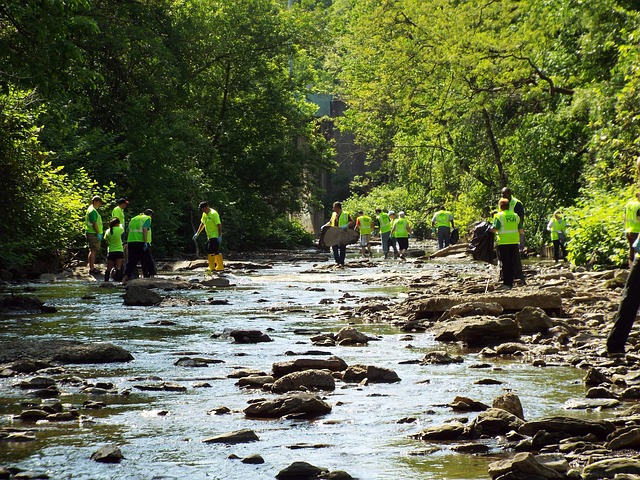
The benefits of adopting natural sewage cleanup methods extend far beyond environmental considerations in San Antonio. By prioritizing eco-friendly approaches to resolving sewage issues, local communities can experience enhanced water quality, reduced ecological impact, and cost savings over time. This sustainable strategy involves minimizing chemical use, avoiding harmful disposal methods, and promoting the healing capabilities of nature. For instance, employing biological treatment processes, such as activated sludge systems or nutrient removal techniques, facilitates the breakdown of organic matter without relying on harsh chemicals that can contaminate local water sources.
Furthermore, integrating natural sewage cleanup practices with regular sewer line replacement initiatives can significantly improve the longevity and efficiency of San Antonio's infrastructure. Periodic sampling and testing of wastewater play a pivotal role in identifying potential pollutants and ensuring compliance with discharge permit requirements. By adhering to these regulations, property owners and businesses contribute to maintaining the overall health of local aquatic ecosystems. For instance, Property Restoration of the Capital Region has successfully aided numerous clients in navigating the complex process of obtaining and fulfilling sewage discharge permits while promoting sustainable cleanup solutions.
Beyond immediate cost savings, natural methods foster a more robust and resilient sanitation system. They minimize the risk of groundwater contamination and reduce the potential for harmful bacteria and pathogens to enter local water bodies. By embracing these practices, San Antonio can set an example for other cities, demonstrating that effective sewage management need not come at the expense of environmental preservation. This holistic approach ensures that current and future generations inherit a cleaner, healthier, and more sustainable urban environment.
Step-by-Step Guide to Eco-Friendly Cleansing

The process of sewage cleanup is a critical yet delicate matter, especially when prioritizing eco-friendly solutions. In San Antonio, where water conservation and environmental stewardship are paramount, adopting natural methods for sewage system cleaning offers a sustainable approach. This step-by-step guide delves into the art of effective and environmentally conscious sewage treatment, providing valuable insights for both homeowners and professionals alike.
Step 1: Assess the Situation and Source
Commence by evaluating the extent of the sewage issue. Is it a burst pipe causing a leak or a clogged drain leading to overflow? Identifying the source is crucial as it dictates the treatment strategy. For instance, a home flood cleanup specialist might employ specialized equipment for detecting subtle leaks beneath floors or within walls, ensuring efficient and early intervention.
Step 2: Natural Cleansing Agents and Techniques
Instead of harsh chemicals, opt for eco-friendly alternatives. Enzymatic cleaners, for example, harness the power of natural enzymes to break down organic matter in sewage. These agents are safe for both pipes and the environment. Additionally, biological treatments like bacteria and fungi can naturally digest pollutants, making them powerful tools in the sewage treatment process explained by experts. Property Restoration of the Capital Region emphasizes this approach as a sustainable solution.
Step 3: Implementation and Maintenance
Pouring enzymes or bacterial solutions directly into affected areas is an effective first step. Ensure thorough mixing to maximize contact with contaminated material. Regular maintenance includes monitoring water quality and checking for any persistent issues, allowing for timely intervention if natural methods prove insufficient.
Step 4: Prevention and Long-Term Care
Consider preventive measures such as installing drain covers and regular cleaning schedules to avoid blockages. Homeowners can also invest in high-quality plumbing systems that are more resistant to clogs and leaks, reducing the need for frequent sewage cleanup naturally. Expert sewage leak detection services play a vital role here, offering peace of mind and proactive solutions.
Community Involvement in Sustainable Practices

Community involvement plays a pivotal role in the sustainable management of San Antonio's sewage system. Engaging residents in eco-friendly practices not only enhances the overall health of our local ecosystem but also contributes to cost-effective sewer line maintenance. By promoting natural sewage cleanup methods, we can reduce the environmental impact associated with traditional cleaning processes. For instance, adopting residential drain cleaning services that utilize eco-friendly enzymes instead of harsh chemicals minimizes pollution and promotes biodiversity in our water systems.
San Antonio has seen the benefits of community-driven initiatives in addressing sewer line break emergencies. Local efforts to raise awareness about the importance of regular maintenance have led to a decrease in sudden clogs and breaks. Property Restoration of the Capital Region, for instance, offers comprehensive services that include sewage sampling and testing 1-3 times annually, empowering homeowners to proactively manage potential issues before they escalate. This proactive approach not only saves money but also contributes to a cleaner, healthier environment.
Community education is another critical aspect of sustainable practices. Workshops and seminars conducted by local experts teach residents how to implement simple yet effective methods for natural sewage cleanup. By fostering a culture of environmental responsibility, we can ensure that our sewage systems are cleaned and maintained in a way that preserves the delicate balance of our ecosystem. Moreover, regular participation in these programs helps identify potential issues early on, making it easier to implement cost-effective solutions before they turn into major problems.
By understanding San Antonio's sewage system and leveraging the benefits of natural sewage cleanup, we can significantly enhance our environmental sustainability. The article has highlighted the importance of eco-friendly practices in managing this vital resource. Key insights include the effectiveness of natural cleaning methods, as seen in the step-by-step guide provided. Community involvement is crucial; by adopting sustainable practices and fostering collaboration, we can ensure a cleaner, healthier future for our city. Practical next steps involve implementing these natural sewage cleanup techniques, promoting community education, and encouraging local initiatives to protect and preserve our sewage system. This authoritative article serves as a comprehensive resource, offering clear directions for both individuals and the community to contribute to San Antonio's environmental well-being.