





San Francisco's unique geography and climate challenge traditional septic systems. Natural methods like bio-swales and permeable surfaces manage rainwater runoff and reduce strain on tanks. Homeowners should practice responsible wastewater management through leak checks, proper disposal, and regular inspections. Professional annual inspections and prompt emergency sewage cleanup prevent damage. By combining natural solutions with proactive care, San Francisco ensures efficient, sustainable, and reliable septic systems, emphasizing sewage cleanup naturally. Key strategies include advanced leak detection, regular sampling and testing, and eco-friendly bio-remediation techniques.
San Francisco’s diverse landscape presents unique challenges for efficient and sustainable sewage management. With a bustling metropolis nestled alongside natural landscapes, proper septic solutions are paramount to protect both the environment and public health. The city’s diverse terrain often makes traditional sewage cleanup methods less viable, emphasizing the need for innovative, eco-friendly approaches.
This article delves into the authoritative realm of professional San Francisco septic solutions, exploring how experts navigate this complex issue. We will uncover the benefits of natural sewage cleanup techniques, highlighting their role in fostering a sustainable and harmonious coexistence with our surroundings.
- Understanding San Francisco's Septic System
- Identifying Signs of Septic Issues Naturally
- Eco-Friendly Approaches to Sewage Cleanup
- Expert Strategies for Long-Term Septic Care
Understanding San Francisco's Septic System

San Francisco’s unique geography and climate present specific challenges for its septic systems. The city’s diverse topography includes steep hills and narrow urban spaces, making traditional sewer infrastructure less feasible. Understanding these nuances is crucial when addressing sewage cleanup and maintaining a healthy environment. Natural solutions are increasingly sought after as a sustainable approach to managing local wastewater.
The primary method involves implementing bio-swales and permeable surfaces, which allow rainwater to soak into the soil, naturally filtering pollutants before they enter the system. This eco-friendly practice not only reduces the strain on septic tanks but also minimizes surface runoff, preventing erosion and pollution. For homeowners, regular sewer maintenance tips include checking for leaks, avoiding pouring grease down drains, and properly disposing of hazardous materials. Local plumbing contractors specializing in residential sewage monitoring can provide valuable insights into identifying potential issues early.
Moreover, staying informed about local regulations regarding septic system care is essential. Property Restoration of the Capital Region, a trusted name in disaster recovery, emphasizes the importance of proactive measures. They recommend scheduling professional inspections annually and conducting emergency sewage cleanup promptly to prevent damage. By combining natural solutions with responsible homeowner practices and expert guidance from local contractors, San Francisco can ensure its septic systems remain efficient, sustainable, and reliable for years to come. Regular monitoring and maintenance are key to preserving the delicate balance of this urban environment.
Identifying Signs of Septic Issues Naturally

The signs of septic issues can often be subtle, but recognizing them early is crucial for effective sewage cleanup naturally. While professional assistance from a reputable service like Property Restoration of the Capital Region is always recommended, homeowners and property managers can also identify potential problems through keen observation. One of the first indicators is a distinct change in drain behavior; if you notice drains backing up more frequently or taking an unusually long time to clear, it could point to a blockage or septic system overload. Similarly, unusual odors emanating from sinks, toilets, or drains—a putrid, sewage-like smell—are never normal and warrant further investigation.
Sewage treatment process explained involves a complex interplay of microorganisms and environmental factors. However, simple actions like monitoring water levels in septic tanks (which should remain relatively consistent) can offer insights into system health. If you notice significant variations or unusual noises coming from the tank, it might indicate issues with digestion or potential damage. Regularly checking for leaks around pipes and fixtures is also essential; even small drips over time can contribute to hidden sewage problems, potentially causing extensive water damage and prompting the need for emergency sewage cleanup naturally.
Sewer maintenance district maps are valuable resources for understanding local infrastructure and identifying potential problem areas. Property owners should be aware of their district’s maintenance schedule and routine inspections, as these can help pinpoint sources of sewer issues before they escalate. Additionally, sewage sampling and testing—conducted by professionals or through at-home kits—can provide concrete data on the health of your septic system. Regular testing, especially in older homes or areas with known infrastructure challenges, is a proactive step towards minimizing damage and ensuring efficient sewage treatment process explained.
Eco-Friendly Approaches to Sewage Cleanup
San Francisco, with its diverse terrain and bustling urban environment, presents unique challenges when it comes to sewage cleanup. In this city, where historical buildings and modern infrastructure coexist, eco-friendly approaches to sewage cleanup have become a priority for both property owners and local authorities. Property Restoration of the Capital Region, a leading name in the industry, underscores the importance of natural solutions, emphasizing their effectiveness and minimal environmental impact.
One of the primary methods in the arsenal against sewage pollution is prevention through inspection and maintenance. Regular sewage system inspection reports are crucial tools for identifying potential issues before they escalate into major disasters. For instance, a study conducted by the San Francisco Public Utilities Commission revealed that over 70% of sewer backups occurred due to blockages caused by grease, debris, or tree roots. Implementing preventive measures, such as installing trap guards and regularly cleaning catch basins, can significantly reduce these incidents. Property Restoration offers specialized services for sewer backup prevention advice, ensuring that homes and businesses are equipped with the knowledge needed to protect their sewage systems.
In addition to prevention, natural cleanup methods like bio-remediation play a pivotal role in restoring affected areas. This process utilizes beneficial microorganisms to break down pollutants naturally, making it an eco-friendly alternative to chemical-heavy cleaning solutions. For example, some local sewer improvement projects have incorporated bio-swales, which are engineered to trap and treat stormwater runoff, thereby reducing the amount of pollutants entering the sewage system. By embracing these innovative practices, San Francisco takes a proactive step towards a cleaner, more sustainable future. Property Restoration of the Capital Region remains at the forefront, providing expert guidance and services for effective and eco-conscious sewage cleanup naturally.
Expert Strategies for Long-Term Septic Care
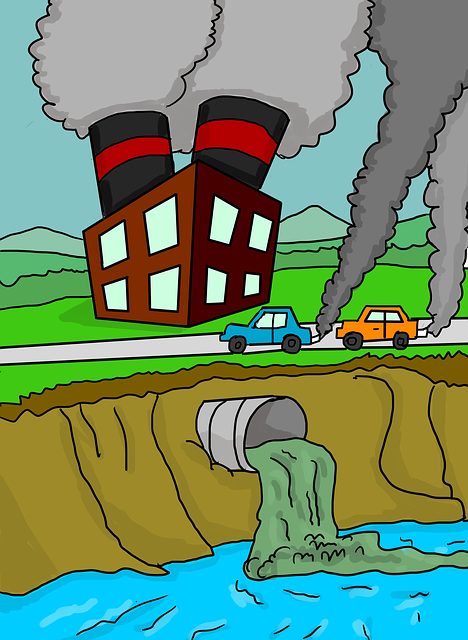
Maintaining a healthy septic system is crucial for any property owner in San Francisco and its surrounding areas. With proper care, these systems can function efficiently for decades, minimizing environmental impact and costly repairs. Expert strategies for long-term septic care involve a combination of proactive maintenance, regular sewage sampling and testing, and advanced leak detection techniques.
One key practice is implementing natural methods for sewage cleanup. This approach leverages eco-friendly solutions to manage and treat wastewater without relying heavily on chemical treatments. For instance, using beneficial bacteria in septic tank additives can enhance decomposition processes, reducing the risk of clogs and system failure. Additionally, proper landscaping and planting native vegetation around septic systems can aid in naturally filtering and absorbing excess water, minimizing strain on the septic tank.
Sewage sampling and testing are essential components of a comprehensive care strategy. Regular monitoring allows professionals to identify potential issues early, such as high levels of harmful bacteria or nutrient overload. Property Restoration of the Capital Region, for example, employs advanced laboratory techniques to analyze samples, providing clients with data-driven insights into their septic system’s health. This proactive approach enables timely interventions, preventing minor problems from escalating into costly disasters.
Effective leak detection is another critical aspect, especially in regions prone to seismic activity or heavy rainfall like San Francisco. Advanced technology, including ground-penetrating radar and pressure monitoring systems, aids experts in pinpointing subtle leaks within complex septic networks. Promptly addressing these leaks through disaster recovery sewage cleanup techniques not only prevents environmental contamination but also ensures the longevity of the entire system. Regular inspections by seasoned professionals are invaluable for identifying potential problems before they cause significant damage or require emergency interventions.
By delving into the intricate world of San Francisco’s septic systems, this article has empowered readers with a comprehensive understanding of both common issues and innovative solutions. Key insights include recognizing early signs of septic problems through natural indicators, embracing eco-friendly sewage cleanup methods for minimal environmental impact, and implementing expert strategies for sustained long-term care. The most significant takeaway is the potential for natural approaches to sewage cleanup, offering not only effective but also sustainable and environmentally conscious options. With these valuable learnings, readers are now equipped to navigate and maintain their septic systems responsibly, ensuring a healthier, more sustainable future for San Francisco’s water infrastructure.