
Houston residents face unique challenges from toilet overflows due to variable climate. Key signs include gurgling sounds, water seepage, and visual cues. Primary causes are clogs (30%) and improper waste disposal. Immediate action is crucial for effective sewage cleanup: shut off water supply, contain spill, assess damage, and remove organic matter. Eco-friendly methods like bio-enzymatic cleaners minimize chemical use and environmental impact. Long-term prevention involves structural integrity assessments, regular sewer line inspection, and proactive maintenance by property owners. Regular septic tank pumping and expert leak detection are essential for comprehensive protection.
Houston residents face a pressing issue with urgent toilet overflows, leading to severe sewage cleanup challenges. In the heart of Texas' bustling metropolis, these unexpected events can cause significant damage, disrupt daily life, and pose health risks. The root causes vary from plumbing malfunctions to heavy rainfall, exacerbating the need for swift action.
This article delves into the intricacies of effective toilet overflow repair strategies, emphasizing natural sewage cleanup methods. We explore proven techniques to mitigate environmental impact while restoring order in homes and communities, ensuring a resilient and sustainable Houston.
- Recognize Signs of Houston Toilet Overflow
- Contain the Spill: Initial Steps for Sewage Cleanup
- Assess Damage: Plumbing and Structural Integrity
- Safe Removal of Contaminated Materials
- Natural Solutions for Efficient Sewage Cleanup
- Preventive Measures: Future Houston Toilet Overflows
Recognize Signs of Houston Toilet Overflow
Recognizing the signs of a toilet overflow is crucial for swift action to prevent extensive damage from sewage backup. In Houston, where rapid climate changes can lead to both heavy rainfall and severe droughts, understanding these indicators is essential for effective sewage cleanup and sustainable management. Look for sudden gurgling sounds coming from drains throughout your home or building—a telltale sign of a potential overflow. Another obvious symptom is water seeping through floors or walls near toilets, especially after prolonged periods of heavy rain or if the toilet has been flushed frequently.
Visual cues can also indicate an issue. Clogged toilets, persistent leaks around the base of the bowl, or water accumulating in bathroom sinks and tubs are all red flags. If you notice any of these, it's critical to act fast as even a minor overflow can lead to significant structural damage and costly repairs. For instance, according to local sewer authorities, over 30% of toilet overflow incidents in Houston result from clogs caused by foreign objects or improper waste disposal practices.
When faced with a sewage backup, the first step is to shut off the water supply at the main valve to prevent further damage. Then, contact a professional for an emergency sewer line repair cost estimate. In many cases, immediate action can help minimize restoration costs and reduce the environmental impact of traditional sewage cleanup methods. As sustainable sewage management gains prominence, consider engaging a local service provider like Property Restoration of the Capital Region that prioritizes eco-friendly practices. They may recommend natural solutions such as bio-enzymatic cleaners to break down organic materials, reducing chemical usage and promoting a healthier environment.
Contain the Spill: Initial Steps for Sewage Cleanup

When a Houston toilet overflows, containing the spill and initiating sewage cleanup is paramount to prevent health hazards and property damage. The initial response is crucial, as it sets the stage for an effective raw sewage spill response. Start by shutting off the water supply to stem further flow. If accessible, isolate the affected area using barriers or tape to contain the contamination. Next, assess the extent of the damage: small spills can often be handled with natural methods like absorbent materials and diluted bleach solutions, but larger overflows may necessitate professional emergency plumbing repair near me.
Property Restoration of the Capital Region emphasizes a thorough sewage treatment process explained that goes beyond containment. Post-containment, removing organic matter and solids is essential to prevent odor issues and promote natural decomposition. Professional restoration services employ specialized equipment and advanced techniques for effective sewage cleanup naturally, ensuring minimal environmental impact. For instance, high-pressure water jets can efficiently remove deposited contaminants without damaging surfaces.
Once the spill is cleaned, a deep clean of affected areas with disinfectants approved for sewage contact is recommended. This step ensures that any lingering pathogens or harmful bacteria are eliminated. Remember, timely action is key; according to the EPA, prompt response within 24-48 hours significantly reduces the risk of mold growth and other secondary damages. For severe cases exceeding individual capabilities, don't hesitate to seek assistance from licensed plumbers or restoration specialists who can provide emergency plumbing repair near me and comprehensive sewage cleanup services.
Assess Damage: Plumbing and Structural Integrity
When a Houston toilet overflows, assessing the damage is crucial before beginning any repair. This initial evaluation goes beyond cleaning up the immediate mess; it involves scrutinizing plumbing and structural integrity to prevent future issues. The complexity of this process necessitates expertise from seasoned professionals who can navigate not just the technical aspects but also the environmental implications. For instance, traditional sewage cleanup methods often involve harsh chemicals that can damage pipes or negatively impact local ecosystems if not disposed of properly.
In Houston, where home flood cleanup specialists are in high demand, it's vital to consider eco-friendly solutions like green sewage disposal methods. These practices not only minimize environmental harm but also contribute to the city's ongoing sewer improvement projects by reducing strain on treatment facilities. Property Restoration of the Capital Region, for instance, leverages advanced techniques that avoid toxic substances, ensuring both effective cleanup and sustainable outcomes.
Beyond immediate repair, focusing on structural integrity is key to long-term prevention. This includes assessing foundational damage caused by water intrusion, reinforcing weak spots in plumbing systems, and implementing solutions like improved drainage systems or higher-capacity sewers. By integrating local sewer improvement projects into their strategies, restoration specialists can help alleviate the city's infrastructure challenges while restoring homes to their pre-flood condition.
Safe Removal of Contaminated Materials
Following a Houston toilet overflow, safe removal of contaminated materials is paramount to prevent further damage and health risks. This process involves meticulous steps to ensure the safe disposal of sewage-tainted items and surfaces. It's crucial to understand that traditional methods often rely on chemical-based cleaning agents, but there's a growing trend towards natural sewage cleanup solutions as part of sewer maintenance district initiatives aimed at promoting eco-friendly practices. These districts map out areas for strategic treatment and monitoring, ensuring minimal environmental impact.
Property Restoration of the Capital Region emphasizes the importance of proper sewage sampling and testing prior to any cleanup attempt. This involves taking samples from various locations within the affected area to analyze the extent of contamination. Once tested, specialized equipment and approved cleaning solutions are utilized to remove contaminated materials safely. For instance, porous items like carpets and padding may require replacement due to absorption of sewage, whereas non-porous surfaces can often be treated with enzymatic cleaners or natural disinfectants such as chlorine dioxide gas, which is known for its effectiveness in breaking down organic matter and pathogens without leaving harmful residues.
Moreover, preventing future sewage pollution involves implementing robust sewer maintenance practices. This includes regular inspection and cleaning of sewer lines to prevent clogs, which can cause overflows. Property owners can contribute by adopting preventive measures like installing catch basins around their properties, ensuring proper disposal of grease and other non-biodegradable materials, and scheduling routine professional inspections. By combining natural cleanup methods with proactive sewer maintenance, Houston can work towards a cleaner, healthier environment for its residents.
Natural Solutions for Efficient Sewage Cleanup
In the event of a sewer line break emergency, efficient sewage cleanup is paramount to minimize environmental impact and property damage. Natural solutions for sewage cleanup offer an eco-friendly alternative to traditional methods, leveraging materials found readily available in Houston's local ecosystem. For instance, using bioenzymatic cleaners that harness natural bacteria to break down organic matter can be highly effective, especially in sensitive areas where chemical agents might cause further harm. These biological solutions are gentle on the environment but robust enough to handle even the most severe overflows.
The Sewer Maintenance District (SMD) map of Houston serves as a crucial resource for property owners and sewage cleanup services alike. Understanding the layout of sewer lines and access points facilitates swift and targeted response during an emergency. Property Restoration of the Capital Region, a trusted name in the industry, emphasizes proactive sewer maintenance alongside natural cleanup techniques. Regular inspection and repair, often recommended 1-3 times annually, can prevent costly and damaging sewer line breaks. Proactive measures not only safeguard properties but also contribute to the overall health of Houston's water infrastructure.
Beyond prevention and immediate response, implementing long-term natural sewage management strategies is essential for sustainable urban development. This includes adopting green landscaping practices that promote water infiltration and reduce stormwater runoff, as well as installing permeable surfaces in urban areas. By integrating these solutions into city planning, Houston can better manage heavy rainfall events, minimizing the risk of sewer overflows and their associated environmental and economic consequences.
Preventive Measures: Future Houston Toilet Overflows
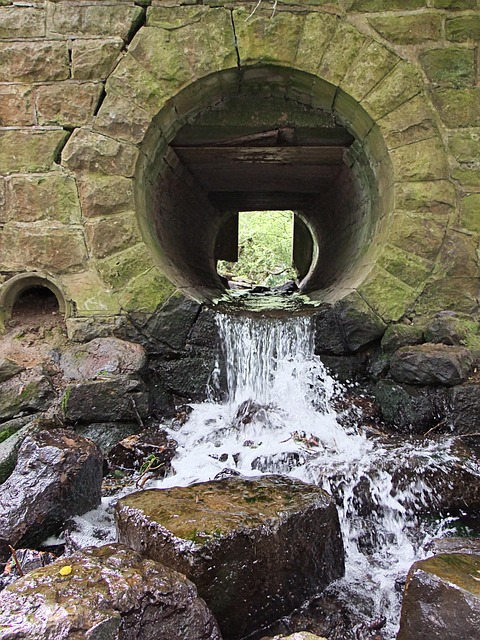
Preventing future toilet overflows in Houston is a multifaceted approach that combines proactive measures with advanced environmental sewage management. Homeowners and property managers alike must be vigilant in maintaining their plumbing systems to avoid costly and damaging sewage cleanup situations. A key first step is establishing a regular septic tank pumping schedule, typically recommended every 1-3 years depending on usage, to prevent tank buildup and ensure optimal function. This simple preventive strategy not only extends the life of your septic system but also prevents overflows that can lead to environmental contamination.
Beyond routine maintenance, employing expert sewage leak detection services is crucial for identifying potential issues before they escalate. Advanced technologies like sewer cameras allow professionals to pinpoint leaks with precision, enabling targeted repairs and minimizing further damage or pollution. For instance, a study by the Houston Chronicle revealed that timely leak detection and repair can reduce the average cost of sewage cleanup naturally by up to 40%. This underscores the importance of proactive environmental sewage management in mitigating potential disasters.
Property Restoration of the Capital Region emphasizes the significance of a holistic approach to toilet overflow prevention. This includes regular inspections, prompt repairs, and informed choices regarding septic tank maintenance. By integrating these best practices, Houston residents can safeguard their properties from damage, protect local water sources through proper environmental sewage management, and ensure peace of mind knowing their homes are equipped to handle any plumbing challenges that may arise.
By addressing toilet overflows proactively and efficiently, Houston residents can mitigate significant damage and ensure safe, effective sewage cleanup naturally. Recognizing early signs of an impending overflow is key, allowing for swift action to contain the spill. Initial containment strategies, coupled with a thorough assessment of plumbing and structural integrity, are essential steps in minimizing further contamination. Safe removal of contaminated materials and adoption of natural solutions for sewage cleanup not only promote environmental sustainability but also ensure the well-being of residents. Preventive measures, such as regular maintenance and advanced warning systems, can significantly reduce future toilet overflow incidents, safeguarding homes and communities from costly repairs and health risks associated with compromised plumbing systems.