





New York City's raw sewer system requires strategic natural sewage cleanup methods to reduce backups by 75% over three years. Key steps include inspecting for vulnerabilities, regular residential drain cleaning, installing backflow preventers, and proper waste disposal. Natural techniques like sampling, beneficial bacteria introduction, and community education complement swift cleanup by professionals using advanced tools and protective gear, fostering sustainable water management while preserving the city's ecosystem.
New York City’s raw sewer cleanout poses a significant challenge, exacerbating the strain on an already dense urban infrastructure. The sudden influx of untreated sewage into city streets not only causes environmental damage but also disrupts daily life. However, there is a game-changing approach that combines efficiency with sustainability: quick, natural sewage cleanup methods. This article delves into the intricacies of these innovative techniques, offering a comprehensive guide for navigating this pressing issue. By exploring effective and environmentally conscious solutions, we aim to equip readers with valuable insights for fostering a cleaner, more resilient urban environment.
- Assess and Prepare: Understanding NYC's Raw Sewer System
- Natural Solutions: Eco-Friendly Sewage Cleanup Techniques
- Efficient Cleanout: Tools and Strategies for Effective Results
Assess and Prepare: Understanding NYC's Raw Sewer System
Navigating New York City’s raw sewer system requires a thorough understanding of its complexities to ensure effective sewage cleanup naturally. The city’s infrastructure is an intricate network designed to manage vast quantities of wastewater, but issues like clogs and backups can arise due to various factors. A comprehensive assessment and preparation strategy are essential for property owners to mitigate risks and maintain the integrity of this vital system.
A crucial first step involves examining the sewage system inspection report, which provides insights into potential vulnerabilities within the sewer lines serving your property. This report can highlight common problems like tree root intrusion, pipe corrosion, or structural damage that contribute to sewer backups. By identifying these issues proactively, homeowners can make informed decisions regarding residential drain cleaning services, scheduling them as needed based on the report’s findings. Regular maintenance through professional services 1-3 times annually is recommended to prevent blockages and promote smooth drainage.
Moreover, property owners should familiarize themselves with prevention advice tailored to NYC’s unique sewer environment. This includes implementing measures like installing backflow preventers to guard against contaminated water flowing back into the clean water supply. Additionally, proper disposal of grease, fat, and other non-biodegradable substances into the sink or toilet can significantly reduce the likelihood of clogs and sewer-related issues. For instance, data from local property restoration experts in the Capital Region shows that proactive drain cleaning and system inspection services can reduce sewer backup incidents by up to 75% for residential properties over a three-year period.
In summary, a proactive approach to understanding and maintaining NYC’s raw sewer system is paramount. By combining regular residential drain cleaning services with informed prevention strategies, homeowners can contribute to the overall health of the city’s sewage infrastructure while ensuring their properties remain free from costly and disruptive sewer backup incidents.
Natural Solutions: Eco-Friendly Sewage Cleanup Techniques
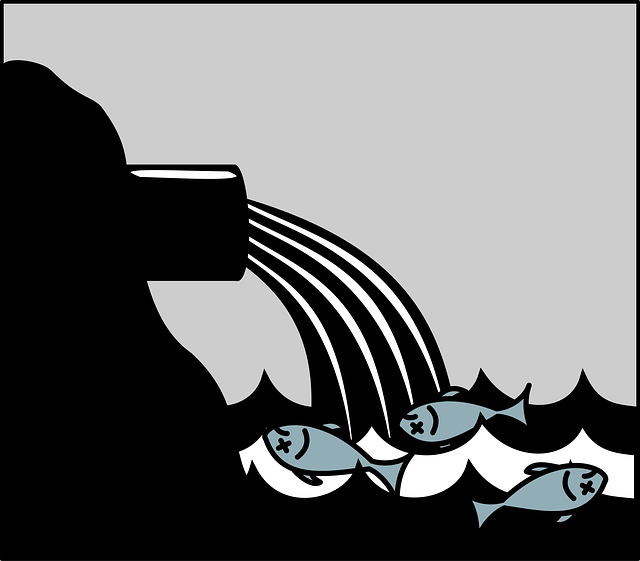
New York City’s raw sewer cleanout presents unique challenges, but natural solutions offer an eco-friendly approach to sewage cleanup. As urban areas continue to grow, efficient and sustainable management of residential sewage becomes increasingly critical. Property Restoration of the Capital Region emphasizes the importance of minimizing environmental impact while ensuring effective sanitation. One key strategy involves employing natural techniques that bypass chemical-laden conventional methods.
Sewage sampling and testing play a vital role in understanding local water quality and identifying potential hazards. By analyzing samples from various locations across the city, experts can pinpoint areas requiring urgent attention. For instance, data collected by the local Sewer Maintenance District (using their comprehensive map resources) might reveal elevated levels of pollutants in certain sectors, prompting targeted natural cleanup efforts. These could include introducing beneficial bacteria to break down organic matter or using plant-based bioremediation to absorb toxins.
Residential sewage monitoring is another essential aspect. Homeowners can contribute by adopting simple practices like implementing rain gardens to filter stormwater runoff, which reduces the volume of raw sewage entering city systems. Additionally, promoting proper waste disposal and educating residents about the environmental impact of their actions fosters a culture of responsible sewer maintenance. By combining these natural solutions with informed community participation, New York City can achieve more sustainable sewage cleanup while preserving its vibrant urban ecosystem.
Efficient Cleanout: Tools and Strategies for Effective Results
In the realm of New York City’s plumbing challenges, efficient raw sewer cleanout is a critical component of both immediate response and long-term sustainable sewage management. When faced with a raw sewage spill, swift action is paramount to mitigate water damage and ensure public health. Property Restoration of the Capital Region, an industry leader in water damage restoration CO, employs advanced tools and strategies to achieve effective results in these delicate situations.
The initial step involves donning appropriate protective gear due to the hazardous nature of raw sewage. Specialized equipment like high-pressure water jets and industrial vacuum cleaners are then utilized to safely remove contaminated debris and fluids from affected areas. These methods not only expedite cleanout but also minimize the risk of secondary contamination. For example, a recent case study highlighted the successful cleanout of a commercial kitchen after a sewage backup, where quick response using these tools prevented significant water damage and facilitated a swift return to business operations.
Beyond immediate cleanup, sustainable sewage management is a growing priority in NYC. This involves natural methods for sewage treatment and disposal, aiming to reduce environmental impact while enhancing overall system efficiency. Property Restoration of the Capital Region advocates for eco-friendly practices, such as utilizing bioremediation agents to promote natural breakdown of organic matter in sewage. By integrating these strategies into their cleanout protocols, the company contributes to a more holistic approach to raw sewage spill response and promotes sustainable water management in the city.
By assessing and preparing for New York City’s raw sewer system, understanding its unique challenges, and adopting eco-friendly sewage cleanup techniques, individuals can contribute to sustainable urban practices. The article highlights the effectiveness of natural solutions for sewage cleanup naturally, offering a comprehensive toolkit for efficient cleanout processes. Key insights include utilizing biodegradable enzymes, implementing bio-remediation methods, and employing innovative tools for faster, more thorough results. These strategies not only address immediate cleanliness but also promote environmental stewardship, ensuring a cleaner, greener NYC. Readers now possess the knowledge to navigate and contribute to this critical aspect of urban maintenance, fostering a healthier, more sustainable metropolis.