






Miami Beach's pipe restoration faces coastal challenges, requiring a natural sewage cleanup approach to protect ecosystems. Key steps include assessment, sampling, specialized repairs, monitoring, communication with authorities, and regular homeowner maintenance. Long-term solutions focus on green infrastructure, data-driven decisions, community education, and collaboration for sustainable water management.
Miami Beach’s vibrant ecosystem faces a significant challenge due to pipe corrosion, leading to costly sewage leaks. The impact extends beyond financial losses; it threatens the delicate balance of local marine life and environmentally sensitive areas. This article delves into the pressing issue of fast Miami Beach pipe restoration, exploring effective solutions that prioritize ecological preservation. We examine innovative techniques for seamless pipe repairs, emphasizing natural methods for sewage cleanup, ensuring minimal environmental disruption. By leveraging cutting-edge technology and sustainable practices, this piece offers a comprehensive roadmap to revitalizing Miami Beach’s critical infrastructure while nurturing its rich biodiversity.
- Understanding Miami Beach's Pipe Restoration Needs
- The Natural Approach to Sewage Cleanup
- Step-by-Step Guide: Restoring Beach Pipes
- Long-Term Solutions for Sustainable Water Management
Understanding Miami Beach's Pipe Restoration Needs

Miami Beach faces unique challenges when it comes to pipe restoration due to its geographical location and dense urban environment. The city’s extensive network of sewers and drains is constantly exposed to harsh coastal conditions, including saltwater intrusion, intense rainfall, and high humidity levels, which accelerate corrosion and damage. This deterioration can lead to clogged pipes, leaks, and ultimately, costly sewer system failures.
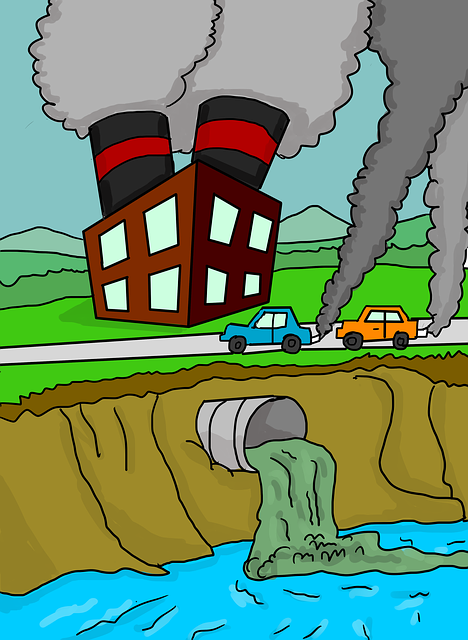
One critical aspect that sets Miami Beach apart from other urban centers is its vulnerability to sewage pollution. With frequent heavy rains, surface runoff easily carries contaminants, including oil, chemicals, and debris, directly into local waterways and oceanfront areas. This natural occurrence highlights the need for effective sewage cleanup naturally as a key component of pipe restoration strategies. Property Restoration of the Capital Region has led the way in implementing eco-friendly solutions to mitigate these issues. Their expertise lies in understanding that proper sewer maintenance tips for homeowners can significantly reduce the strain on the city’s infrastructure.
Regular sewage sampling and testing are essential practices to gauge the health of Miami Beach’s sewer system. By analyzing water quality, professionals can identify problem areas and implement targeted prevention measures. For instance, data collected from these samples might reveal elevated levels of certain pollutants, prompting proactive steps like installing advanced filtration systems or promoting better household waste disposal habits. Furthermore, homeowners should be educated on simple yet effective sewer maintenance routines to prevent blockages and reduce the potential for costly damage.
The Natural Approach to Sewage Cleanup

The traditional approach to sewage cleanup often involves harsh chemicals and expensive machinery, but a growing trend among experts advocates for a more natural method in Miami Beach’s pipe restoration efforts. This strategy focuses on eco-friendly solutions and long-term sustainability, which are critical considerations given the region’s unique environmental sensitivity. By prioritizing the natural approach to sewage cleanup, local property owners and service providers can mitigate potential harm to marine life, groundwater, and the overall health of the ecosystem that thrives along Miami Beach’s coastline.
One of the primary advantages of this method is its effectiveness in preventing future clogs and leaks without resorting to aggressive chemicals. Natural cleaning solutions like enzymatic cleaners and oxygen-based compounds are powerful alternatives to caustic sodas and acid-based drain cleaners. These environmentally friendly products break down organic matter, grease, and other debris that accumulate in pipes, restoring flow without damaging infrastructure. Additionally, regular maintenance practices such as trapping grease and solids at the source can significantly reduce the need for intensive sewage cleanup. Property owners can take proactive steps by implementing these sewer maintenance tips for homeowners, ensuring their residential drain cleaning services are both efficient and safe for the environment.
Expert sewage leak detection is another critical component of this natural approach. Specialized equipment and trained professionals play a vital role in identifying subtle leaks that could lead to significant damage and environmental impact. Once detected, experts can employ innovative repair techniques tailored to each unique situation, often minimizing disruption to homeowners and preserving the integrity of coastal ecosystems. For instance, advanced pipe relining technology allows for the restoration of damaged pipes without excavation, reducing the ecological footprint associated with traditional reconstruction methods. This holistic approach, championed by organizations like Property Restoration of the Capital Region, underscores the importance of balancing effective sewage cleanup with environmental preservation in the dynamic context of Miami Beach.
Step-by-Step Guide: Restoring Beach Pipes
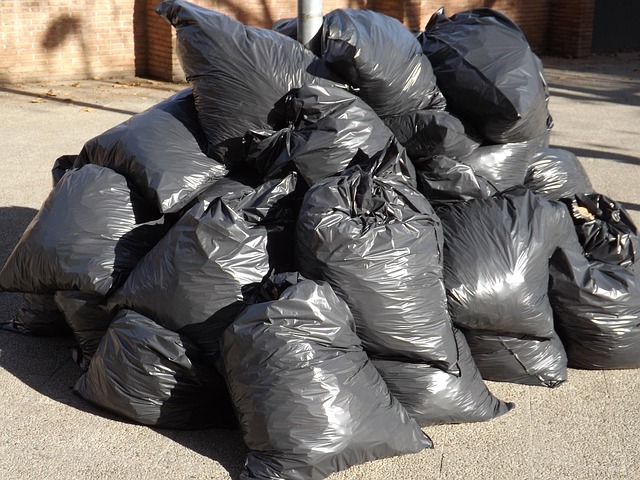
Restoring beach pipes in Miami involves a meticulous process designed to minimize environmental impact while ensuring effective sewage cleanup naturally. Here’s a step-by-step guide tailored for this unique coastal environment. First, assess the extent of pipe damage, which can range from root intrusions to structural erosion, often exacerbated by salt water and sand movement. Next, conduct sewage sampling and testing to gauge pollution levels and determine the most ecologically sound cleanup methods. This crucial step aligns with local sewer authority guidelines and helps in obtaining a precise sewer line repair cost estimate.
Once sampling is complete, initiate the pipe restoration process using specialized equipment such as high-pressure water jets for removing obstructions and structural repairs. For instance, Property Restoration of the Capital Region employs advanced techniques to mend pipes without invasive excavation, preserving coastal ecosystems. After repairing or replacing sections as needed, implement a robust monitoring system to prevent future damage. This includes regular inspections, root management programs, and prompt response to any new issues, ensuring long-term functionality and minimizing environmental disruption.
Throughout the restoration process, maintain open lines of communication with local sewer authorities for compliance and support. Regular sewage sampling and testing serve as benchmarks for measuring cleanup success and can influence future maintenance strategies. By following these steps, Miami beach communities can effectively restore their pipe systems while promoting sustainable coastal practices.
Long-Term Solutions for Sustainable Water Management
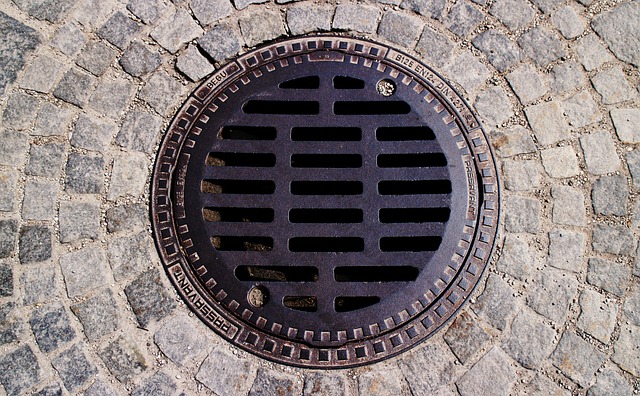
Miami Beach’s coastal ecosystem is particularly vulnerable to the impacts of improper sewage management. Long-term solutions for sustainable water management require a holistic approach that goes beyond quick fixes. A key strategy involves promoting natural sewage cleanup methods, such as integrating green infrastructure and enhancing natural filters like mangroves and seagrass beds. These ecosystems not only absorb excess nutrients but also provide a safe haven for marine life, ensuring the health of the beach environment.
Beyond ecosystem restoration, implementing robust safe sewage disposal practices is paramount. This includes regular residential sewage monitoring to track nutrient levels and identify potential contaminants early on. Property owners should be encouraged to conduct routine inspections of their sewage systems, addressing any issues promptly through professional maintenance. For instance, a comprehensive sewage system inspection report can pinpoint leaks, blockages, or damage that could lead to contaminated water runoff. By adopting these practices, Miami Beach can mitigate pollution and preserve its precious coastal resources.
The success of these initiatives hinges on continuous data-driven decisions. Regular monitoring and reporting should guide policy adjustments and community education efforts. For example, the City could leverage residential sewage monitoring data to implement targeted public awareness campaigns about responsible waste disposal and proper system maintenance. Furthermore, collaboration with organizations like Property Restoration of the Capital Region can provide specialized expertise in implementing sustainable water management strategies. By fostering partnerships and leveraging scientific insights, Miami Beach can forge a path towards a more resilient and ecologically sound future.
By addressing Miami Beach’s pipe restoration needs through a combination of understanding environmental impacts and adopting natural approaches to sewage cleanup, we can achieve sustainable water management. The article has provided a comprehensive guide, from recognizing the urgency of beach pipe restoration to implementing step-by-step solutions. Key insights include prioritizing eco-friendly methods, focusing on long-term sustainability, and collaborating with experts for effective strategies. In terms of next steps, adopting natural sewage cleanup techniques, such as bioremediation and green infrastructure, can revolutionize water management. This authoritative guide equips readers with the knowledge to contribute to Miami Beach’s environmental health and ensure a brighter future for its precious coastal resources.